



























A recent study reveals that 89% of patients with unresectable desmoplastic melanoma respond to Keytruda.
A recent study reveals that 89% of patients with unresectable desmoplastic melanoma respond to Keytruda.
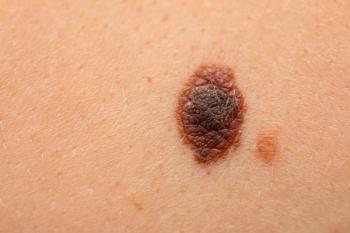
IO Biotech plans to meet with the FDA this fall to discuss the data from the phase 3 trial of Cylembio and determine next steps for a potential biologics license application submission.

The combination of RPI, a genetically engineered herpes simplex virus type 1, and Opdivo shrank both injected and non-injected tumors by 30%.
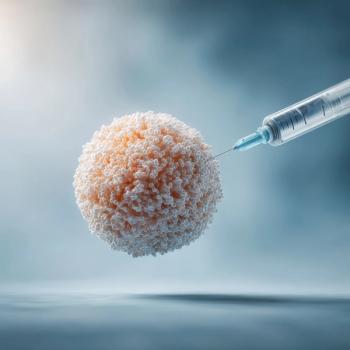
The response rate to Amtagvi was higher in patients who had received two or fewer therapies than in those with more heavily treated disease.

Studies show in mice show that targeting the metabolic pathways could inhibit the growth of melanoma and combining this strategy with other treatments could enhance the therapeutic effect.


EGFR inhibitors such as Erbitux and Gilotrif show potential in laboratory and mouse studies in treating melanoma with a specific mutation that can lead to resistance to immunotherapy.

AI apps that can detect skin cancer can be manipulated and potentially miss cases of melanoma, a serious skin cancer.

Several oral abstracts presented at the American Society of Clinical Oncology’s annual meeting highlight ongoing research of Keytruda, Opdivo, Tecentriq and more in skin cancer.
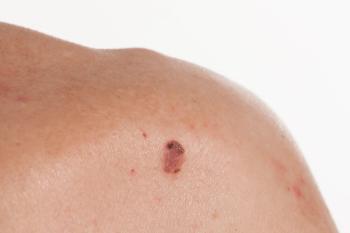
Researchers are also investigating the PD-1 immune checkpoint inhibitor as treatment before surgical and radiation treatment.

Healthcare providers expressed concerns about the accuracy gaps in AI image analysis for non-white skin tones or low digital literacy, creating potential health disparities.
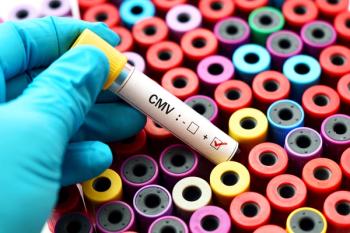
Patients who were positive for cytomegalovirus had more immune cells circulating in their blood before they started immunotherapy. This may be one reason why these patients responded better to certain immunotherapy treatments, researchers said.
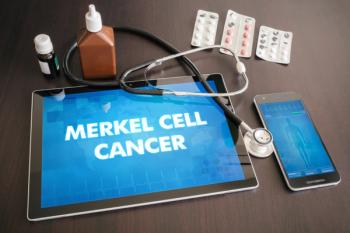
In mice with human Merkel cell carcinoma, pyrvinium pamoate significantly reduced tumor growth, potentially offering a new way to treat this aggressive skin cancer.
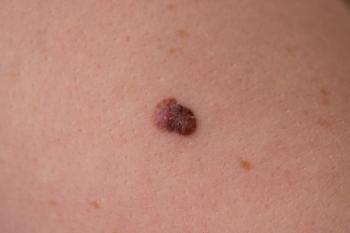
A new study suggests that targeting the protein alpha-synuclein could be a possible new target for treating melanoma.
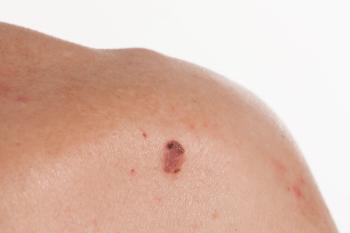
Patients with a rare disease called mucous membrane pemphigoid are at risk of developing squamous cell carcinoma and basal cell carcinoma, finds a new study.
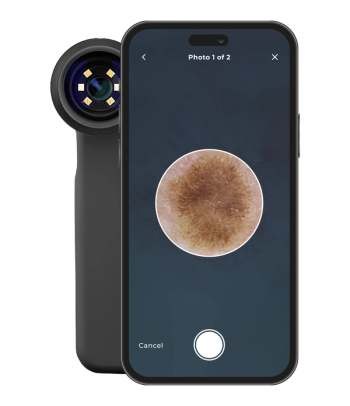
The Map My Mole app provides patients with a small lens attachment for their phones to capture high-quality images of concerning skin spots. These images are then uploaded for assessment by consultants.
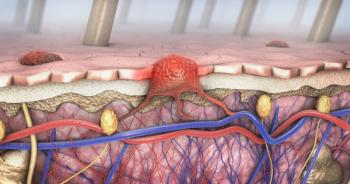
Researchers said alpha particles are promising therapies that target cancer while minimizing the damage to nearby healthy tissues.

Deborah S. Sarnoff, M.D., talks about the recent breakthrough treatments that are paving the way to treat patients with advanced basal cell carcinoma, squamous cell carcinoma and Merkel cell carcinoma, which is a rare and aggressive type of skin cancer.
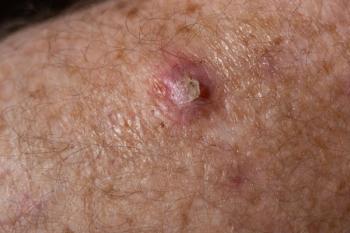
In a small study in a community oncology practice, more than 60% of patients with advanced squamous cell skin cancer treated with Libtayo achieved complete remission.
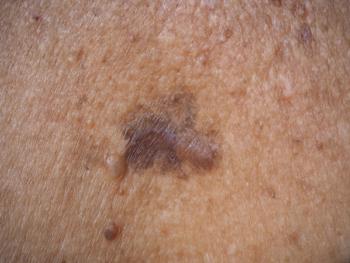
Risk factors for secondary skin cancer after blood or marrow transplant include those who had treatment with a monoclonal antibody, chronic graft-versus-host disease and posttransplant immunosuppression.
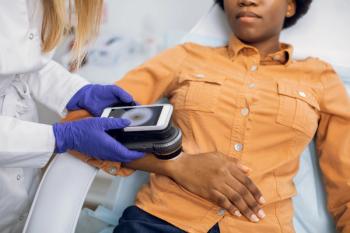
A novel AI model was able to achieve 99.86% accuracy for diagnosing skin conditions, even in people with darker skin tones or excessive hair.

Becky Kamowitz was appointed executive director of The Skin Cancer Foundation in January 2025. She talks about the organization’s priorities for the coming year.
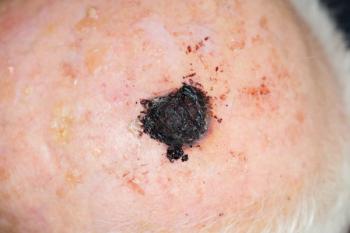
Five-year survival rates improved greatly because of immunotherapy and other advances, according to the American Cancer Society's annual report on cancer incidence and mortality. But there is a wide gap between how well White patients fare compared to Black patients.

In a review of previous studies, researchers found that the images seen on social media contribute to taking actions that are both beneficial with patients seeking dermatological care and unfavorable with increased exposure to UV radiation for a better tan.
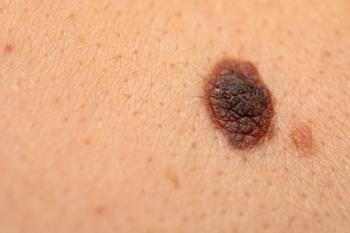
Fianlimab plus Libtayo demonstrated persistent and significant clinical activity in patients with advanced melanoma.