Patients facing higher out-of-pocket costs predicted procedures would hurt more than procedures with no copay, according to the results of a recent Carnegie Mellon study.
NeosRx CEO Jeff Dunn, Pharm.D., MBA, explains how 340B claims can disadvantage PBMs because of loss of rebates..
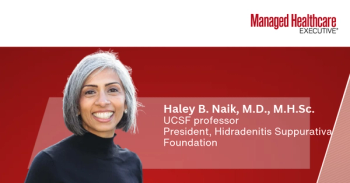
Jeff Dunn, Pharm.D., MBA, is president and CEO of NeosRx, a transparent pharmacy benefit manager (PBM) based in Salt Lake City. At the 2026 Pharmacy Benefit Management Institute (PBMI) Annual National Conference, Dunn spoke with Managed Healthcare Executive about how 340B discounts affect PBMs and the rebate revenue they receive from drug manufacturers. (See more of
Under the 340B program, hospitals and other eligible entities buy drugs at a discount. Dunn says that discount has a knock-on effect for the health plans and PBMs that pay the claims. When a health plan or PBM pays a claim and submits it to the drug manufacturer for a rebate, the manufacturer will not pay a rebate if the claim is a 340B claim. Dunn says that is understandable because value fo the drug’s discounted price has already gone up front to the 340B entity, which include health systems and federally qualified health centers
The problem, according to Dunn, is where that leaves the payer. It is still the health plan or the PBM that pays for the claim and bears the risk of it. Without the rebate on those claims, he said, the PBM’s costs go up.
Dunn's point is that the 340B discount and the manufacturer rebate cannot both apply to the same claim. The discount goes to the 340B entity, while the plan or PBM paying the claim loses the rebate it would otherwise have received, so the savings from the program do not flow to the payer that covers the drug.