






















A decision by the FDA is expected by April 28, 2023, and, if approved, Harm Reduction Therapeutics will launch RiVive in early 2024.

A decision by the FDA is expected by April 28, 2023, and, if approved, Harm Reduction Therapeutics will launch RiVive in early 2024.

Among the top-read FDA approval stories include the fast-acting Auvelity to treat major depressive disorder; an extended use for Mirena IUD; the first generic of Symbicort for asthma; Camzyos, a first-in-class treatment for obstructive hypertrophic cardiomyopathy; and Imbruvica’s expanded indication for children with chronic graft versus host disease.

Lunsumio is Genentech’s first approved T-cell engaging bispecific antibody and targets CD20 on the surface of B cells and CD3 on the surface of T cells.
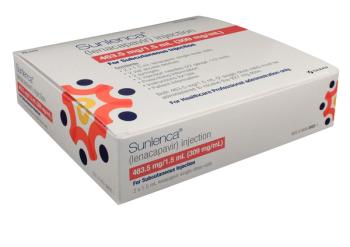
Lenacapavir, now with the brand name Sunlenca, is a twice a year therapy for adult patients with multi-drug resistant HIV. It has a list price of $42,250 for the first year.

The combination includes an antibody-drug conjugate with an immunotherapy to treat patients with advanced bladder cancer. The PDUFA action date is April 21, 2023.

Actemra is the first FDA-approved monoclonal antibody to treat hospitalized adults with COVID-19. The EUA for use of Actemra in children remains in place.

Tymlos is already available to treat postmenopausal women with osteoporosis.
This is the fourth indication for Vraylar, a dopamine and serotonin partial agonist that can now be used as an adjunctive therapy in patients with major depressive disorder.
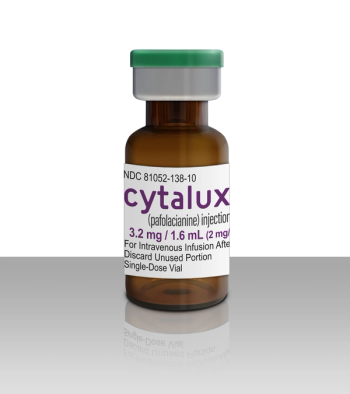
Cytalux, approved in November 2021 for identifying ovarian cancer lesions, is now approved to spot lung cancer during surgery.
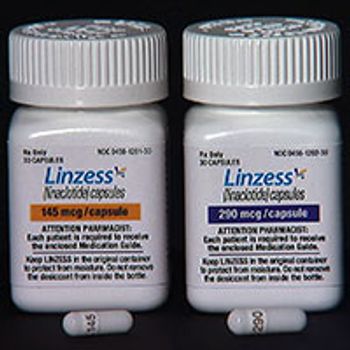
If approved, Linzess would be the first prescription therapy for functional constipation in children and adolescents 6 to 17 years of age.
Adstiladrin offers an alternative to bladder removal surgery for patients who are at high risk of recurrence and metastatic cancer.

Iyuzeh is a preservative-free formulation of latanoprost and doesn’t need to be stored at refrigerated temperatures. It will be available in the second half of 2023.

HyBryte is a photodynamic therapy. The active ingredient, synthetic hypericin, is topically applied to skin lesions that is taken up by the malignant T-cells and activated by visible light.

This is the eighth biosimilar to reference the blockbuster rheumatoid arthritis drug Humira that will launch in 2023.
The agency has extended the review time by three months for Lynparza in combination with abiraterone and prednisone or prednisolone.

Spending climbed by 2.7% in 2021. In 2020, it soared by 10.3%, fueled by federal government spending in response to the pandemic. The blizzard of calculations of 2021 healthcare spending by CMS’ actuaries also provides further evidence that utilization of healthcare services bounced back in 2021.

Building on the success of the companies’ COVID-19 vaccines, Pfizer and BioNTech have begun a phase 1 trial of a combined flu-COVID-19 vaccine.
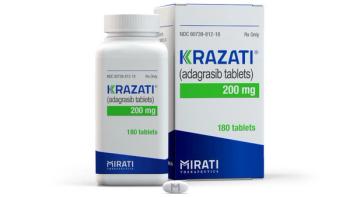
The FDA issued an accelerated approval for Mirati’s Krazati for patients with KRAS-mutated non-small cell lung cancer. The agency also approved a companion diagnostic to identify eligible patients.
A phase 3 study demonstrated that Onpattro improved functional capacity, health status and quality of life compared with placebo in this patient population.

The acceptance of Biogen’s application follows regulator’s acceptance of an application by Fresenius Kabi for another Actemra biosimilar.
The bivalent vaccines add the omicron variant BA.4 and BA.5 to the original SARS-CoV-2 and a component of omicron lineage BA.1.
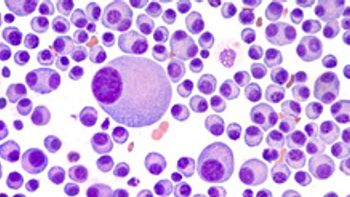
Talquetamab is a bispecific antibody that targets both CD3 on T cells and GPRC5D, which is overexpressed on myeloma cells.
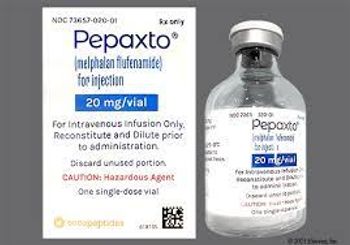
Oncopeptides disagrees with the FDA about Pepaxto and will make a decision about next steps by the end of the first quarter of 2023.

If approved the vaccine, RSVpreF, would be available for people 60 years of age and older. The Prescription Drug User Fee Act goal date for a decision is in May 2023.

TauRx’s oral anti-tau therapy HMTM has shown in a phase 3 trial that it can stabilize cognitive decline in patients with Alzheimer’s disease.