





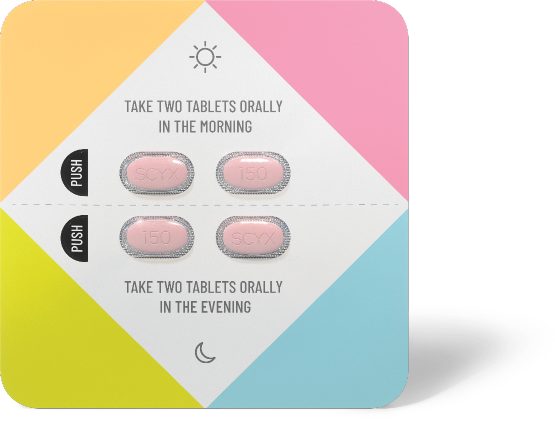

















I/Ontak is an engineered IL-2-diphtheria toxin fusion protein. The PDUFA target action date is Sept. 28, 2023.
I/Ontak is an engineered IL-2-diphtheria toxin fusion protein. The PDUFA target action date is Sept. 28, 2023.

Rebyota is the first fecal microbiota product to prevent recurrence of C. diff infection, a serious and potentially life-threatening disease.

If approved, Evkeeza would be the first treatment to help children as young as 5 years old control high LDL cholesterol caused by homozygous familial hypercholesterolemia. The FDA target action date is March 30, 2023.
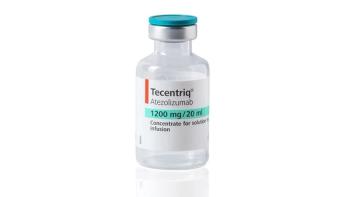
A confirmatory trial of Tecentriq in urothelial carcinoma failed to meet the co-primary endpoint of overall survival.

If approved, reproxalap would be the first inhibitor of RASP, which contributes to ocular inflammation and changes in tear lipid composition.

If approved, SRP-9001 (delandistrogene moxeparvovec) would be the first gene therapy for Duchenne. The FDA action date is May 29, 2023.

An advisory committee had voted against poziotinib to treat patients with non-small cell lung cancer with HER2 exon 20 insertion mutations.

AMCP CEO Susan A. Cantrell spoke with Managed Healthcare Executive® about Preapproval Information Exchange (PIE) Act of 2022, which would allow drug manufacturers to share information about a drug with payers before the drug is approved. Cantrell says passage of the PIE Act would speed up patient access to new medications.

An FDA decision on Takeda’s dengue vaccine TAK-003 is expected within six months.

Hemgenix is the first one-time gene therapy treatment for adults with hemophilia B. It will have a list price of $3.5 million.

An FDA review has found that Prolia can result in low calcium levels in the blood in patients with advanced kidney disease and can lead to hospitalization and death.
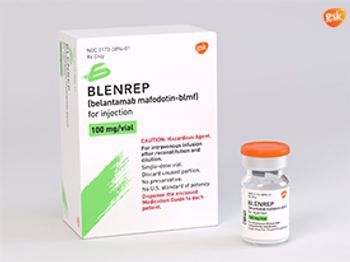
A confirmatory trial in patients with relapsed or refractory multiple myeloma did not meet its primary endpoint of progression-free survival.

If approved, epcoritamab would be the first bispecific antibody to treat adult patients with relapsed/refractory large B-cell lymphoma. The Prescription Drug User Fee Act date is May 21, 2023.

The reference to “maximum fair price” in the act bodes poorly for manufacturers and suggests more of a take-it-or-leave-it situation rather than a negotiation where clinical evidence would be the prevailing factor in determining price.

Appellis had submitted updated data for the pegcetacoplan in age-related macular degeneration, which is considered a major amendment to the NDA. The new PDUFA date is Feb. 26, 2023.
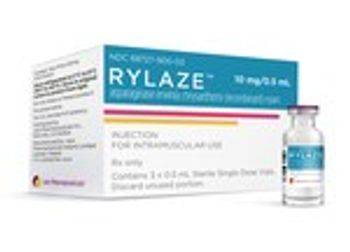
Rylaze’s dosing options provide sustained asparaginase activity throughout the entire course of treatment for adult and pediatric patients with acute lymphoblastic leukemia or lymphoblastic lymphoma.

Lilly’s Rezvoglar is a long-acting human insulin analog. It follows Semglee as a biosimilar that can be substituted for Lantus for both adults and children with diabetes.

Tzield addresses the underlying cause of the disease, where the immune system destroys the insulin producing cells in the pancreas. It will be available by the end of the year with a wholesale acquisition cost of $13,850 per vial.

If approved, Xphozah will be the first phosphate absorption inhibitor for adults with chronic kidney disease who are on dialysis. An FDA decision is expected within 30 days.

The agency is encouraging sponsors to submit applications for low-dose, nonprescription naloxone products.
After review of phase 3 data, GSK will limit the use of Zejula in the second line to those with inherited BRCA mutations.

Elahere is a first-in-class antibody-drug conjugate targeted against folate receptor alpha, a protein on the surface of ovarian cancer cells.
The approval extends the use of Liletta for an additional two years. It is the only hormonal IUD approved for continuous use up to eight years.

Zilucoplan is a targeted therapy that inhibits key components in the underlying disease pathology. The anticipated PDUFA date is in the fourth quarter of 2023.
PRX-102 is an enzyme replacement therapy for Fabry disease, a rare genetic disorder.