


Shrank is president and co-founder of cell and gene therapy (CGT) startup Aradigm, which is working with patients, payers, providers, and manufacturers to manage the cost and financial risk of expensive cell and gene therapy.

Peter Wehrwein has been the lead editor of Managed Healthcare Executive since February 2020.
Shrank is president and co-founder of cell and gene therapy (CGT) startup Aradigm, which is working with patients, payers, providers, and manufacturers to manage the cost and financial risk of expensive cell and gene therapy.
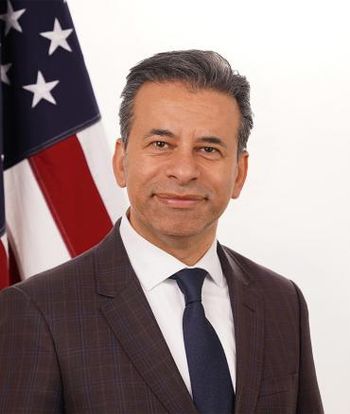
Kyle Diamantas, the FDA deputy commissioner for food, has been named interim FDA commissioner after Makary's resignation today.

The company says it made an upfront payment of $25 million for a global license to develop and commercialize the ARO-PHPLA3.
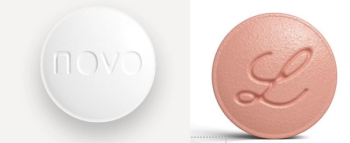
A compare-and-contrast list for the two FDA-approved oral GLP-1s, Foundayo (orforglipron) and oral Wegovy (semaglutide).
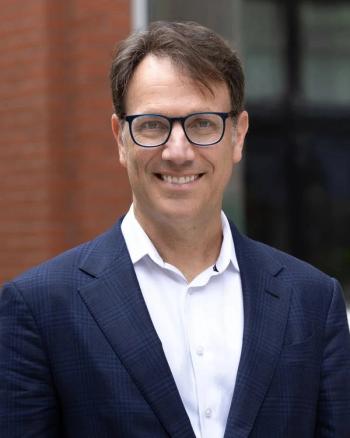
Will Shrank, M.D., a longtime member of the Managed Healthcare Executive editorial advisory board, is leading a startup company focused on managing the cost and delivery fo cell and gene therapy.
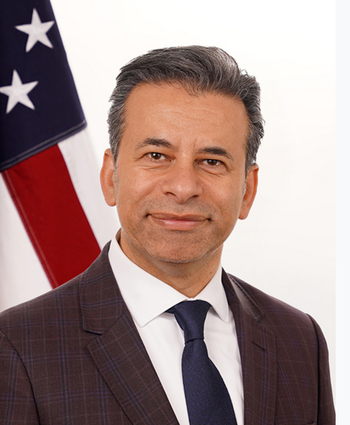
The Wall Street Journal is reporting that President Donald Trump has signed off on Makary's dismissal.


Direct to consumer, direct to patient, direct to employer — the "direct to" channel comes in different flavors and was a hot topic at the Asembia specialty pharmacy meeting this week in Las Vegas.
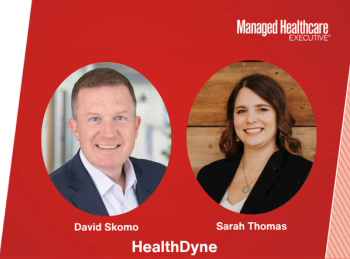
HealthDyne is one of the dispensing pharmacies for the Lilly Employer Direct program that the company launched in March. HealthDyne executives expect their skyrocketing growth in its new direct-to-employer business.
HealthDyne’s Sarah Thomas and David Skomo say that direct-to-patient arrangements eliminate opacity in drug pricing and allow employers to offer drug coverage with a certainty about the budget required.
Even for high-priced specialty drugs, direct-to-patient (DTP) sales could help with access and affordability, say HealthDyne’s David Skomo and Sarah Thomas. Payers can lower out-of-pocket costs for members by funding health reimbursement arrangements, money that can be used to buy DTP drugs.
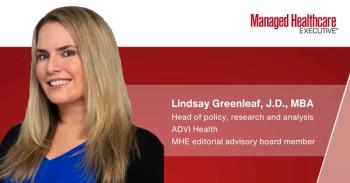
In this clip, Lindsay Greenleaf, J.D., MBA, discusses the latest news concerning the 340B Drug Pricing Program, calling out what she believes is “abuse” within the program.

Drugs with $10 billion in sales are dominating the pharmaceutical market, says Luke Greenwalt, MBA.
Provider groups, especially community oncologists, are worried that drug prices negotiated under the IRA will drastically reduce their buy-and-bill revenue from administering drugs. Lindsay Greenleaf, J.D., MBA, discusses drugmaker rebates to the federal government as a way to allay their fears.
ADVI Health’s Lindsay Greenleaf discusses how most-favored-nation drug pricing is playing out among specialty drugs.
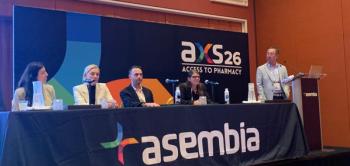
IQVIA's Luke Greenwalt, MBA, and Lucille Accetta, RPh, M.P.H., MBA, chief pharmacy officer and head of CVS Specialty, are speaking at tomorrow's general session. Lindsay Greenleaf, J.D., MBA, of ADVI Health, and Will Shrank, M.D., co-founder and CEO of Aradigm, also have speaking slots during the meeting.
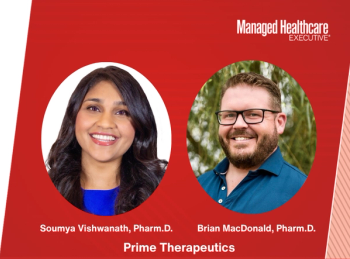
Brian MacDonald, Pharm.D., of Prime Therapeutics discusses the low utilization of the gene therapies for hemophilia. Pfizer and BioMarin have pulled their FDA-approved hemophilia gene therapies from the market, citing low demand.
Pfizer and BioMarin have pulled their hemophilia gene therapies, citing low demand.
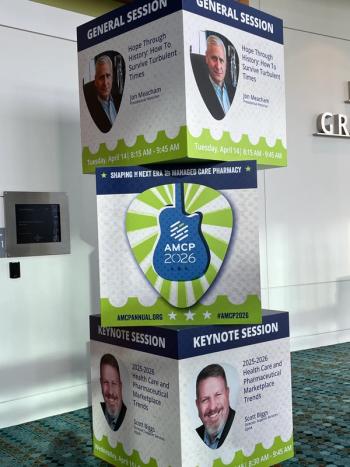
A talk by presidential historian Jon Meacham kicked off the official beginning of the meeting at the Music City Center in Nashville, Tennessee.
The 2026 MHE Pharmacy Survey asked questions about most-favored nation drug pricing, PBM reform and HHS Secretary Robert F. Kennedy Jr.'s vaccine policies. Respondents rated direct-to-consumer drug sales by drugmaker as the most important development in the pharmaceutical sector this year.
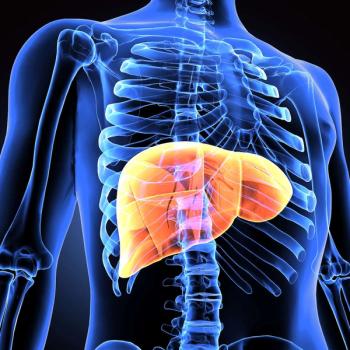
The FDA has approved two drugs for treatment of the condition, Rezdiffra (resmetirom) and Wegovy (semaglutide), the weight loss drug.

Results show that after two years, the nonresponders' scores on quality of life assessments catch up with the responders.

The California insurer is continuing the program, called Virtual Blue, but also looking to add more virtual care into its standard offerings.
Dermatology performance measures need to be streamlined and redesigned to better capture meaningful patient outcomes while reducing administrative burden and aligning with value-based care.
The two oral GLP-1s will battle for market share. Foundayo is a small-molecule drug that can be taken with food. Some data suggest that oral Wegovy is slightly better at producing weight loss.

The Phoenix-based nonprofit health system had $16 billion in revenues in 2025 and reported $1.1 billion in community benefits in its 2025 annual report.

Eli Lilly announced this morning that the FDA has approved its oral GLP-1, orforglipron, which the company is marketing under the brand name Foundayo. The competition between Foundayo and oral Wegovy is expected to be fierce.