

CVS Caremark instead will favor the biosimilars Pyzchiva and Yesintek and provide the anti-arthritis drugs for a $0 copay.
CVS Caremark instead will favor the biosimilars Pyzchiva and Yesintek and provide the anti-arthritis drugs for a $0 copay.

UnitedHealthcare will remove prior authorization requirements for 30% of services as part of efforts to ease administrative burden and improve access to care.
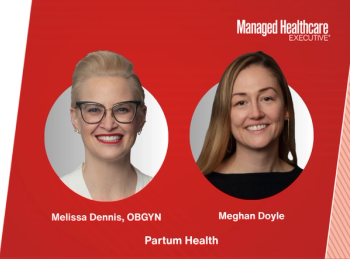
Meghan Doyle, CEO of Partum Health and Melissa Dennis, OB/GYN and chief medical officer at Partum Health, explain why doulas are an important part of a healthcare team and how Illinois’s Medicaid coverage change was a “catalyst” for their UChicago Medicine partnership.


A large international study found that certain gut bacteria were associated with recurrence-free survival in high-risk melanoma patients receiving adjuvant immunotherapy, suggesting the gut microbiome could help guide personalized treatment decisions.

A randomized trial found that combining the opioid Dilaudid (hydromorphone) with the cannabinoid Marinol or Syndros (dronabinol) did not improve pain, function or safety outcomes compared with either drug alone in patients with knee osteoarthritis.

The Supreme Court has issued an emergency order temporarily preserving nationwide mail prescrption access to the abortion pill mifepristone.

The FDA has set a Prescription Drug User Fee Act (PDUFA) date of Aug. 25, 2026, for the combination of Tevimbra/Ziihera as a first-line treatment for advanced cancers of the stomach, gastroesophageal junction, and esophagus.

Michael Chancley Jr.’s personal experience with PrEP informs his work at PrEP4All as he advocates for expanded access and equity in HIV prevention amid persistent stigma, provider misinformation and stark racial and gender disparities in PrEP uptake.

Cebranopadol, a first-in-class dual NOP/MOP receptor agonist, relieves moderate-to-severe acute pain after surgery while reducing abuse risks compared with oxycodone.
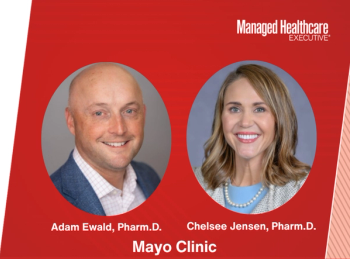
Mayo Clinic experts said managing high-cost drugs requires clear definitions, strong formulary review processes and closer collaboration among health systems, payers and manufacturers to balance access, cost and quality of care.

The use of unsanctioned or unapproved artificial intelligence by healthcare workers created a significant liability risk, experts say.
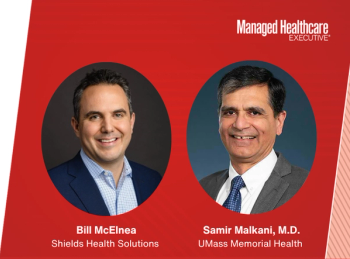
A pharmacist-led specialty pharmacy model that expands into care management services could help health systems improve chronic disease outcomes while supporting cost savings under value-based care, according to presenters at the Asembia Specialty Pharmacy Summit that took place in Las Vegas this week.

Sympathetic nerve fibers within melanoma tumors can slow tumor growth by reducing tumor supportive immune cells, highlighting a potential new target for cancer therapy, according to a new study published in Neuron.

Direct to consumer, direct to patient, direct to employer — the "direct to" channel comes in different flavors and was a hot topic at the Asembia specialty pharmacy meeting this week in Las Vegas.

Cigna will exit the ACA individual exchange market by 2027 and has already launched Evernorth Signature Pharmacy Benefits Services, a rebate-free PBM model, which will become the standard model for all clients in 2028.

Medicare Advantage 2027 updates boost payment updates near 5%, but risk rules and prior auth reforms force plans to rethink benefits and strategy.
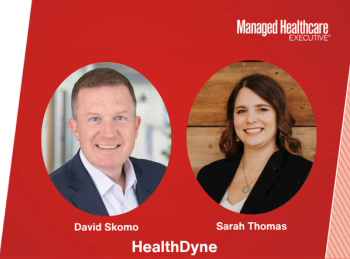
HealthDyne is one of the dispensing pharmacies for the Lilly Employer Direct program that the company launched in March. HealthDyne executives expect their skyrocketing growth in its new direct-to-employer business.
HealthDyne’s Sarah Thomas and David Skomo say that direct-to-patient arrangements eliminate opacity in drug pricing and allow employers to offer drug coverage with a certainty about the budget required.
Even for high-priced specialty drugs, direct-to-patient (DTP) sales could help with access and affordability, say HealthDyne’s David Skomo and Sarah Thomas. Payers can lower out-of-pocket costs for members by funding health reimbursement arrangements, money that can be used to buy DTP drugs.
A high-touch specialty pharmacy program that combines pharmacist support, telehealth and value-based care reduced medical costs and improved outcomes for patients with diabetes, according to presenters at the Asembia Specialty Pharmacy Summit.

Andrew Mellin, M.D., discusses Surescripts’ pilot program for prior authorization system, which pulls clinical data from EHRs and matches it against payer criteria.

There have been tremendous advances in specialty drugs, but those advances have also brought a lot of complexity for payers. Payers are considering new strategies for their specialty benefit.
In this clip, Lindsay Greenleaf, J.D., MBA, discusses the latest news concerning the 340B Drug Pricing Program, calling out what she believes is “abuse” within the program.

Drugs with $10 billion in sales are dominating the pharmaceutical market, says Luke Greenwalt, MBA.
Provider groups, especially community oncologists, are worried that drug prices negotiated under the IRA will drastically reduce their buy-and-bill revenue from administering drugs. Lindsay Greenleaf, J.D., MBA, discusses drugmaker rebates to the federal government as a way to allay their fears.

PBM reform intensifies in 2026 as transparency laws, FTC pressure and experts including Jeffrey Hogan, Stacie B. Dusetzina, Ph.D., and Chad Worz, Pharm.D., spotlight pricing, rebates and patient costs.

Coramitug is designed to clear toxic protein deposits from the heart, offering a new approach to treating ATTR cardiomyopathy.

The FDA has assigned a Prescription Drug User Fee Act (PDUFA) target action date of Feb. 27, 2027, for zipalertinib to treat patients with locally advanced or metastatic non-small cell lung cancer epidermal growth factor receptor (EGFR) exon 20 insertion mutations
A pharmacist-led specialty pharmacy care model presented at AXS26 shows improved A1C control, fewer hospital visits and lower total costs by expanding support beyond medications to include lifestyle, social needs and care coordination for high-risk patients.