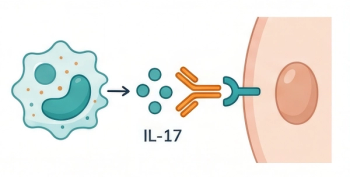
A study with three years of follow-up shows that the drug stays effective and safe for most, although 16% stopped getting treated with Dupixent, mainly because it was ineffective or caused side effects.
UnitedHealthcare will remove prior authorization requirements for 30% of services as part of efforts to ease administrative burden and improve access to care.
UnitedHealthcare
The health plan shared in a news release that the changes build on recent efforts to simplify care delivery and improve transparency for providers and patients. These moves will apply to a range of services, including select outpatient surgeries, some diagnostic tests such as echocardiograms and certain outpatient therapies and chiropractic care.
A full list will be released before the changes take effect.
The insurer said prior authorization is currently required for about 2% of its medical services. Out of the requests submitted, about 92% are approved, usually in less than 24 hours. As for Medicare Advantage, the company noted it has fewer prior authorization requirements than other insurers.
“Prior authorization is an essential safeguard but should only be used when it truly protects patients and improves care,” Tim Noel, CEO of UnitedHealthcare, said in the release. “Eliminating these requirements is one more way we are working to make it easier for patients to get the care they need when they need it and ensure doctors can spend more time with their patients.”
The planned cuts come as payers face ongoing pressure to reduce prior authorization use. For example, a recent initiative led by
However, the
UnitedHealthcare said the changes are part of a broader push to simplify administrative processes. This includes reducing the number of services that require prior authorization, expanding its Gold Card program for providers who follow evidence-based care guidelines, and investing in digital tools that support electronic submissions, real-time tracking and faster decisions.
The company also addressed the industry effort announced April 24, 2026, to standardize electronic prior authorization submissions. UnitedHealthcare said more than 70% of its prior authorization requests are expected to be included in the new standardized process by the end of 2026, which could help improve automation and coordination across insurers.
Additional efforts include expanding support for rural providers. For instance, on April 20 the company said it would speed up payments to select hospitals and remove prior authorization requirements for many rural providers. By fall 2026, the program is expected to reach about 1,500 rural hospitals and related providers nationwide, including all Critical Access Hospitals.
The insurer has also taken steps to increase transparency around its practices. On March 31, it began publicly reporting prior authorization data and continues to update that information online. Earlier in the same month, the company expanded coverage for doula services, with about 7.2 million members expected to have access through employer-sponsored plans by Jan. 1, 2027.
UnitedHealthcare said these efforts are part of a broader review of its business practices, including care management. The company began sharing results in December and plans to continue reporting progress.