























The COVID-19 pandemic has influenced patient perception regarding many aspects of vaccination safety and efficacy.
The COVID-19 pandemic has influenced patient perception regarding many aspects of vaccination safety and efficacy.
The federal government is hoping that newly simplified vaccination guidelines will lead more Americans to get vaccinated against COVID-19. In other pandemic news, HHS announced plans to keep vaccines and treatments free for the uninsured, and an appellate court sided with the Biden administration's disputed vaccination requirement for federal contractors.
James Lewis, PharmD, FIDSA, opens a discussion regarding the current and anticipated landscape surrounding vaccination.
Despite decades of research, no available vaccine targets respiratory syncytial virus (RSV), a disease that causes hundreds of thousands of deaths worldwide among young children and older adults. Interim results of two late-stage trials of Pfizer’sRSV prefusion F vaccine suggest the vaccine is efficacious, although the low RSV infection rates during the high COVID-19 pandemic years limited some of the findings.
Vaccine hesitancy has many causes. A new study examined how the nocebo effect — beliefs that negative side effects will occur — may be a factor in people’s response to COVID-19 vaccination and could play into hesitancy dynamics.
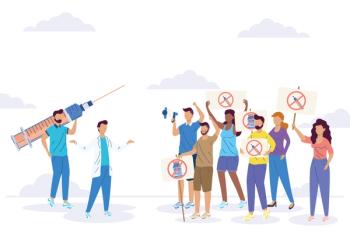
Although it’s not likely to pass, at least not this year, opponents say the proposal is already accelerating the spread of false claims and sowing distrust of physicians.
Global polio eradication efforts have reduced cases of the deadly disease by 99.99% in 35 years. Yet it continues to circulate in over 30 countries. The most dangerous form is endemic in Pakistan and Afghanistan, where it seeds outbreaks elsewhere.
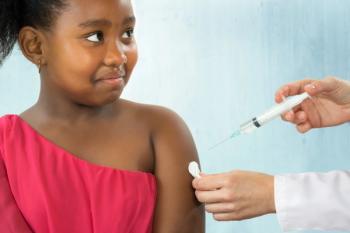
Increasing numbers of adults are getting vaccinated at pharmacies. But many states limit pharmacists’ ability to immunize children. Pharmacist participation in the federal Vaccines for Children program is even more restricted.
Research stalled for decades after deaths in a 1960s trial. Now Pfizer and other companies are reporting results for a vaccine against respiratory syncytial virus infections.
Vaccination rates are struck below levels needed to eradicate measles. Members of three generations of a family with expertise in vaccines propose a novel approach to improving measles vaccination rates. It could include a whistle.
Pfizer could soon be the first to offer an RSV vaccine to adults ages 60 and older if the vaccine is fully approved by the Food Drug and Administration and the Centers for Disease Control and Prevention.
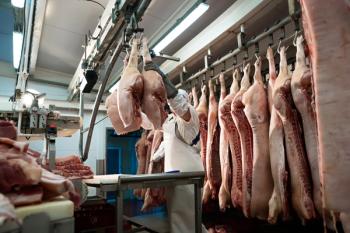
Program reached the Marshallese workers who have moved from the island nation in the central Pacific Ocean to work in the poultry and meatpacking industry in northwest Arkansas.
It took less than a year to develop the first COVID-19 vaccine, but an epidemic preparation group has said even more speed could be added and proposed setting 100 days as a goal for the development of future vaccines,
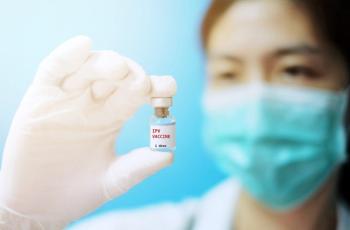
When it comes to the human papillomavirus (HPV) vaccine, organizations like the World Health Organization (WHO) and the Centers for Disease Control and Prevention (CDC) recommend protection with the vaccine in different doses.
Results reported today on the JAMA website show no benefit from repurposing the SSRI as a COVID-19 treatment drug. Earlier results suggesting that fluvoxamine might be an effective treatment were from trials conducted earlier in the pandemic when vaccines weren’t available and other variants were circulating.
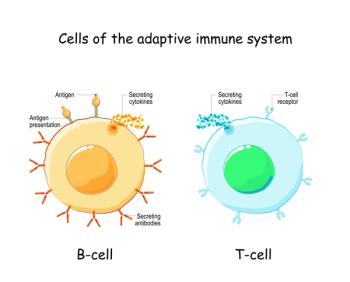
Research shows that patients with multiple sclerosis who have been treated with drugs that target CD20 B cells drugs, such as Ocrevus and Rituxan, tend to have a weak antibody response. But cellular immunity and T cells are activated. The results suggest a need for vaccines that boost T cells.
VBI Vaccines’s PreHevbrio [Hepatitis B Vaccine (Recombinant)], the only approved 3-antigen hepatitis B vaccine for adults, is now commercially available in the U.S. after approval by the FDA late last year.