






Cardiovascular Diseases
Latest News
Advertisement
Latest Videos




















Advertisement
More News

Novo Nordisk’s ziltivekimab lowers IL-6 heart inflammation but misses MACE reduction in ZEUS phase 3 CVD trial, with higher serious infections risk.

Epic Research finds 2026 cholesterol guidelines and PREVENT-ASCVD expand statin eligibility to 54.6%, reshaping hyperlipidemia prevention and cardiovascular diseases risk.

Already approved for familial chylomicronemia syndrome, Redemplo now shows efficacy in severe hypertriglyceridemia; Arrowhead plans a U.S. sNDA filing before year-end.

Enlicitide, a macrocyclic peptide that binds PCSK9 and blocks LDL receptor interaction, is the first oral PCSK9 inhibitor FDA-approved to lower LDL-C.

GLP-1 receptor agonists can help reduce inflammation and improve blood vessel function in patients with peripheral artery disease.

The two conditions can have similar manifestations but differ in prognosis and treatment, which makes an accurate, early diagnosis important.

Coramitug is designed to clear toxic protein deposits from the heart, offering a new approach to treating ATTR cardiomyopathy.

Timely diagnosis of transthyretin amyloid cardiomyopathy (ATTR-CM) could potentially reduce excess healthcare utilization and spending, according to a poster at AMCP annual meeting 2026 in Nashville.

A long-term extension trial of 389 patients found Attruby significantly cut death risk in transthyretin amyloid cardiomyopathy, with no new safety concerns identified.

The updated guidance emphasizes earlier intervention through lifestyle changes, expanded cholesterol testing including Lp(a) and coronary artery calcium scoring, and earlier use of medication.

AI-quantified breast arterial calcification independently predicts heart disease, adding value beyond standard risk scores and enabling earlier preventive care.

FDA expands Juxtapid indication for children with rare cholesterol condition
Published: | Updated:
Juxtapid has been available to treat adults with homozygous familial hypercholesterolemia (HoFH), a rare genetic disorder that causes extremely high levels of LDL cholesterol.

Dhruv S. Kazi, M.D., a cardiologist at Beth Israel Deaconess Medical Center, discusses the research he and his team have done to determine if semaglutide used as secondary prevention of cardiovascular disease is cost-effective.

Researchers say a modest price cut would make semaglutide cost-effective for secondary prevention of cardiovascular disease in the United States.

New research at Mount Sinai explains how influenza infections increase the risk of heart attack through a specific immune pathway.

Rural hospital study found text messaging intervention significantly improved medication adherence for heart failure patients, demonstrating that simple technology can reduce readmissions.

Myqorzo was approved in December to treat adults with obstructive hypertrophic cardiomyopathy. It is available through a REMS program and has a boxed warning about the risk of heart failure.

Elevated levels of lipoprotein(a) is a genetic disease that causes cardiovascular disease. Steven Nissen, M.D., addresses why it’s important to find treatments for this genetic risk factor.
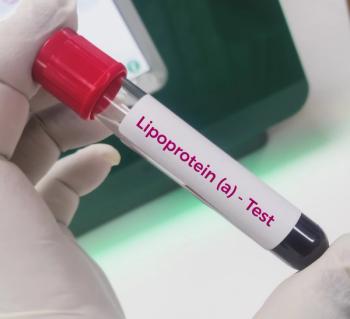
Five experimental drugs show promise in significantly lowering lipoprotein(a). The furthest along is pelacarsen, with phase 3 results expected in the first half of this year, and regulatory filings in the second half of this year.

Transthyretin amyloid cardiomyopathy causes heart failure through protein buildup in heart muscle. Three FDA-approved disease-specific therapies are available, but high costs limit access.
Tryvio, an oral drug for those with uncontrolled hypertension, will be available in the second half of 2024. The list price has not yet to be determined.

The FDA has set an action date of Nov. 29, 2024, to review acoramidis to treat patients with transthyretin amyloid cardiomyopathy.
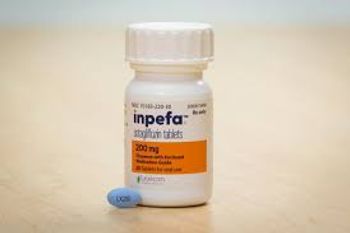
Inpefa is an inhibitor of both SGLT2 and SGLT1, approved to reduce the risk of cardiovascular death and hospitalization for heart failure in adults. The wholesale acquisition cost is $598 per month.
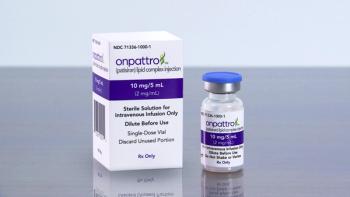
Alnylam Pharmaceuticals will no longer pursue this indication of Onpattro and will instead on focus on a label expansion for Amvuttra, which is in phase 3 development to treat patients with cardiomyopathy of ATTR amyloidosis.
Even though committee members voted in support of Onpattro for patients with cardiomyopathy related to transthyretin-mediated amyloidosis, there were questions about whether it provided a clinically meaningful benefit. The FDA set an action date of Oct. 8, 2023.
Advertisement
Advertisement
Trending on Managed Healthcare Executive
1
Growth of GLP-1 therapies has reshaped the market | PBMI 2026
2
Judi Health, Employers Health team up to launch new PBM solution
3
Amivantamab, chemo combo shows nearly 3-year survival in EGFR exon 20 lung cancer
4
Amy Wadstrom, RPh, on mid-size PBMs and leaving the ‘big three’ | PBMI 2026
5