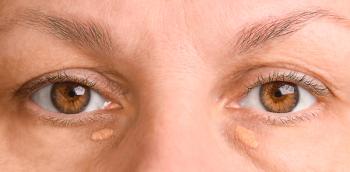
Yellow eyelid Xanthelasma signals hidden high cholesterol and cardiovascular disease risk, tripling heart attack and stroke odds; Negin Yavari, M.D., and her team urge screening.
Juxtapid has been available to treat adults with homozygous familial hypercholesterolemia (HoFH), a rare genetic disorder that causes extremely high levels of LDL cholesterol.
The FDA has approved Juxtapid (lomitapide) capsules for children as young as 2 years of age with homozygous familial hypercholesterolemia (HoFH), a rare genetic disorder that causes extremely high levels of low-density lipoprotein cholesterol (LDL-C). Without early intervention, those living with this condition face an increased risk of severe atherosclerosis.
“Children with HoFH face extraordinary challenges from the moment they’re diagnosed,” Katherine Wilemon, founder and CEO of the Family Heart Foundation, said in a news release. “Their lives are shaped by frequent medical visits and the constant worry of cardiovascular risk at an age when most kids are just learning to ride a bike or play sports.”
Developed by Chiesi Global Rare Diseases, a business unit of the Chiesi Group, Juxtapid has been available for adult patients with HoFH since 2012 with doses of 5 mg, 10 mg, 20 mg and 30 mg. Juxtapid has a list of price of about $53,471 per month for 28 capsules, according to
For children, the dose of Juxtapid is 2 mg, and it will be available when the manufacturing, packaging, quality control, and distribution processes are complete, according to a company spokesperson. The price of the 2 mg dose will remain the same as the current doses, and the company expects that Juxtapid will continue to be covered broadly by payers and PBMs, the spokesperson said.
Juxtapid is only available through a risk evaluation and mitigation strategy (REMS) program, and it is delivered by specialty pharmacy partner Accredo. Juxtapid has a black box warning because of a risk related to liver injury; it can cause increased liver enzymes or increased fat in the liver.
Taking Juxtapid requires that patients maintain a low-fat diet. The company offers a program called Chiesi Total Care that is staffed by dietitians to provide support to patients in this area and to help navigate insurance.
The FDA’s approval for the pediatric population is based on data from the phase 3 APH-19 study that evaluated the safety and efficacy of Juxtapid in 43 pediatric participants between the ages of 5 to 17 years with HoFH who were receiving standard-of-care lipid-lowering therapy and a low-fat diet.
The study demonstrated a mean 49% reduction in LDL-C from baseline, accompanied by significant decreases in non-high-density lipoprotein cholesterol (non-HDL-C), total cholesterol, very low-density lipoprotein cholesterol (VLDL-C), apolipoprotein B, and triglycerides.
Adverse events were primarily gastrointestinal or hepatic in nature. Adverse events of special interest were reported for five (12%) patients (gastrointestinal in two patients and hepatic in three). One serious treatment-emergent adverse event was reported: an increase in hepatic enzymes, resulting in two dose interruptions, two dose reductions, and a repeated dose escalation.
The data were published in