


























The collaboration provides patients in the U.S., Europe and Australia with VR Telehealth Kits that include Pico Headsets with Pre-installed Virtual Reality Therapy.
The collaboration provides patients in the U.S., Europe and Australia with VR Telehealth Kits that include Pico Headsets with Pre-installed Virtual Reality Therapy.

Associate Editor of Managed Healthcare Executive, Briana Contreras, speaks with Drobac, executive director of Alliance for Connected Care, and a partner with Sirona Strategies, in Washington, DC, about the recent rise of telehealth in response to COVID-19.

With the use of virtual and telemedmedicine services increasing, health plans must continually use the data available through digital channels to listen to and learn from members, adjust content to answer their questions, and respond to their needs, to build both a lasting member relationship and enhance future digital capabilities.
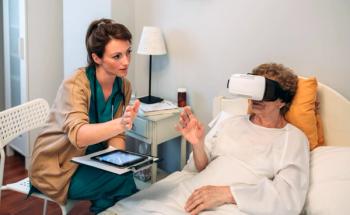
What about applying virtual reality tech to improve how we deliver person-centered care to all, including a focus on seniors? This is one area ripe for innovation.

The use of telemedicine has increased rapidly; leading to increased satisfaction and positive operations in healthcare. However, it's implementation also carries some concerins. Here's how to steer clear of them.

Tech Together launches new online support tools for those battling opioid addiction and substance use disorder.

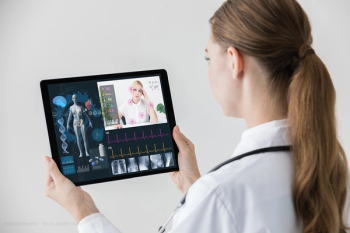
The telehealth industry and its observers have been surprised by how quickly the healthcare system has pivoted to telehealth and providing care remotely.

Several Blues plans have contracted with vendors that supply tech-enabled diabetes disease management and prevention programs. Sometimes the tech is combined with coaching - by a real, live human being.

When deploying technology that keeps personal health information and other healthcare data safe, health systems stay proactive.
Uniper launches the telehealth service to engage older adults with live and interactive social wellness activities, healthcare professionals, preventive care, and family and friends to cope during trying times of social distancing and isolation.

In 2020, the most disruptive moves in healthcare will be fueled by a commitment to achieving true interoperability across providers, payers, and all stakeholders.

Managed Healthcare Executive asked thought leaders: “What apps do you use the most on your phone?” Here’s what they said.

New point-of-care tools offer greater transparency.
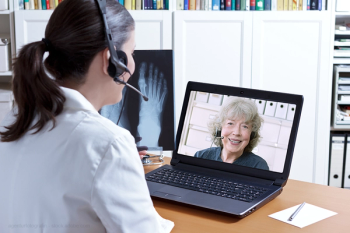
How electronic patient-reported outcome solutions can help democratize access to cancer care and improve experiences for patients and clinic care teams.

Voice user interfaces could make healthcare more efficient and effective.

Casey Ross, national technology correspondent for STAT, explains during a February 13 webinar, the benefits of AI in healthcare and how it must demonstrably improve outcomes for patients.

Two studies in JAMA produce meh results for polygenic risk scores

V-Sensor- and e-Checkup-enabled smartphones measure temperature, blood pressure, respiration and other vital signs to medical accuracy.
Health professionals are sharing what healthcare is becoming and what they believe it will become in the future.

Trump administration hints that it may agree and is considering a broader scope of practice for nurse practitioners and physicians.

Here’s a look at what payers and providers can expect to occur, why each change is occurring, and how payers and providers can prepare for each change.
Managed Healthcare Executive surveyed hundreds of healthcare leaders and professionals to collect information on how their organizations are affected by technology. This year’s survey displays data focusing on healthcare organizations’ current status, patient access, data collection, communication, and future with technology.

How cancer patients can better organize around their cancer care plans in a more redesigned system.

The top technologies for 2020 aren’t new, but they are on the cusp of moving into broader use in healthcare.