

























As patients become discerning consumers of healthcare, providers are focused on implementing processes and technologies that enhance the entire experience, from care delivery through to payment obligations.

As patients become discerning consumers of healthcare, providers are focused on implementing processes and technologies that enhance the entire experience, from care delivery through to payment obligations.
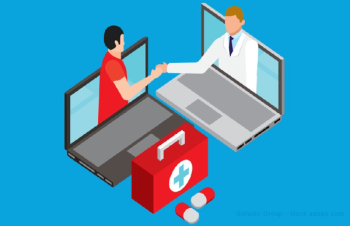
It is undoubtable that the role of telehealth technology has soared throughout the pandemic, achieving levels of adoption that were previously thought unattainable. However, appetites are changing drastically, the question is now; what role can telehealth play in emergency medicine?

Matthew Reynolds, PhD, vice president of real-world evidence at IQVIA, discusses his appreciation for telehealth and remote care, but feels over the next year or so we're going to be seeing more studies come out questioning if some telehealth is needed in certain areas. The discussion came from findings of a recent paper with the National Pharmaceutical Council on how COVID-19 affected real-world data and research.

Companies are forming and investment dollars are pouring in. Can these services make mental healthcare more accessible and affordable as the pandemic leaves depression and anxiety in its wake?
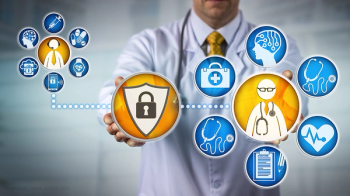
Breaches in online vaccination schedulers are the among the security problems the healthcare sector is scrambling to fix.
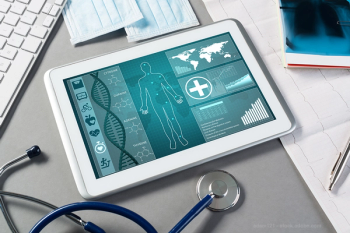
As market forces visibly disrupt healthcare (less access to cheap capital, reimbursement pressures, rising demand for services in the face of constrained supply), digitally transforming core processes is not merely an option any more.

Much of the data that AI depends on is tainted with racial bias.

Dr. Kathleen Bethin, clinical professor, and Dr. Lucy Mastrandrea, associate professor and division chief of endocrinology/diabetes both at the Jacobs School of Medicine & Biomedical Sciences at the University at Buffalo, spoke with Vic Baldry of Cecelia Health to discuss the challenges telehealth has created when caring for families with children who have type 1 diabetes.
But many devices don’t communicate with a patient’s electronic health record.

Prior to the COVID-19 pandemic, telehealth was more of a stretch goal than a reality for most providers despite the seeming prevalence of video conferencing.
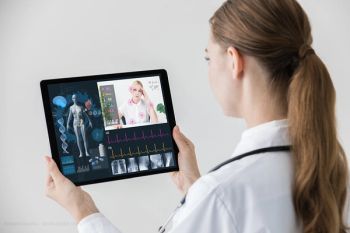
Amid the nursing shortage, hospitals can create better working conditions through these three technology solutions.

How consumers feel about their virtual care encounters will influence everything from CAHPS surveys to compensation beyond the pandemic.


Providers and payers need data to address social determinants of health effectively. But that data is often siloed, unstructured and difficult to use.
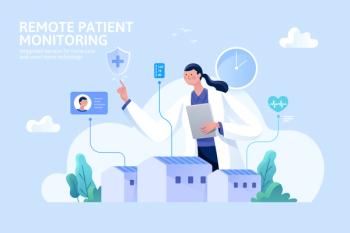
Devices take some of the pressure off a healthcare system coping with COVID-19.
Kristin Ficery, who leads Accenture’s North America Health, discusses recent Accenture research that discovered since the onset of COVID-19, 60% of patients want to use technology more for their healthcare. And nine out of 10 patients said quality of care was “as good or better” than before COVID-19.

Half the health systems and 65% of doctors had no online reviews, which puts them at a disadvantage when millennials go shopping for healthcare.
Health organizations that had RPM solutions in place pre-pandemic have been more successful at scaling up than organizations that were starting from scratch during the pandemic.
Enforcement of rules to encourage the freer flow of healthcare data were delayed because of the COVID-19 pandemic. They are now scheduled to go into effect this year.

The technology must be further developed and tested to improve hand hygiene compliance.
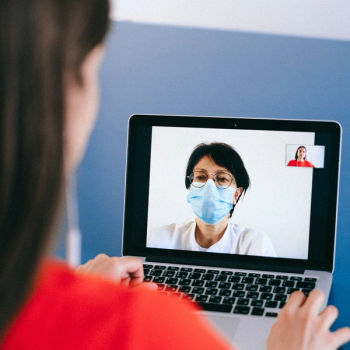
Trends show how telemedicine has been used during the COVID-19 pandemic.
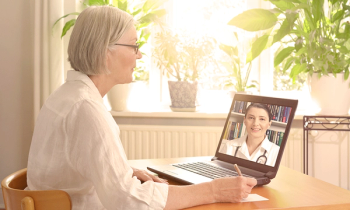
Although virtual visits as a whole have dropped off since their peak last spring, visits for behavioral health issues are still going strong, a reflection, in part, of the toll the COVID-19 pandemic has taken on the mental health of Americans.

Lack of health insurance has been sighted as one of the biggest social determinants of health — until now.

Riding high because of the COVID-19 surge, telemedicine companies are going public and making expensive deals.
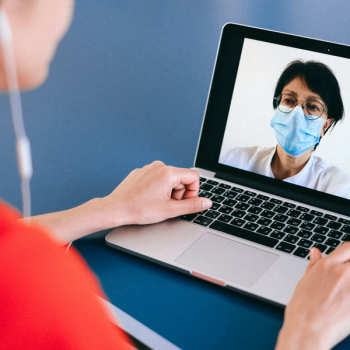
Study findings can help clinicians focus on vulnerable patient populations who require access to specialty medical care.