

Some PBMs will offer Amgen’s Amjevita biosimilar as a preferred product alongside Humira, but CVS Caremark said Humira will remain preferred and Amjevita will be placed on a non-preferred brand tier.
Some PBMs will offer Amgen’s Amjevita biosimilar as a preferred product alongside Humira, but CVS Caremark said Humira will remain preferred and Amjevita will be placed on a non-preferred brand tier.

The proposed legislation, sponsored by Sens. Chuck Grassley and Maria Cantwell, aims to increase transparency of PBM business practices.
The FDA approved a new drug for type 2 diabetes and a new BTK inhibitor for rare blood cancer while Keytruda got another indication in lung cancer. But Evusheld lost its EUA for COVID-19. The agency accepted an sNDA for Jardiance for CKD and officials said they plan to hold advisory committee meeting for Biogen’s ALS drug.

Programs that do not count pharmaceutical company coupons and copay assistance toward deductibles have grown over the last five years, but states are stepping in to limit these programs.

The Inflation Reduction Act’s cap on annual out-of-pocket spending and changes to coverage gaps could save Medicare patients more than $1,000 on heart failure medications.
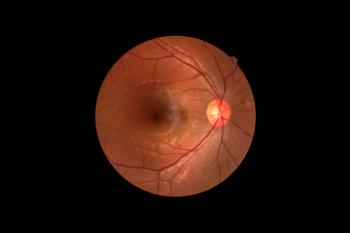
Scientists have created a lipid nanoparticle that was able to deliver mRNA to the retina, providing an opportunity for the development of additional gene therapies for the eye.

Amazon Prime members can access generic medications from an eligible list with free delivery for an additional $5 a month.
Price Edge compares direct-to-consumer pricing with insurance pricing for generic drugs. It is an optional product being offered to plans.

Dea Belazi of AscellaHealth talks about the challenges payers will face as they confront the high costs associated with specialty drugs.

Researchers found that visual impairment is more prevalent among those who are older, Hispanic, non-White, and less educated and have lower incomes.
This week the FDA approved new indications for already available therapies, including Brukinsa for chronic lymphocytic leukemia and an accelerated approval for Tukysa for HER2-positive colorectal cancer, as well as an extended-release form of risperidone for schizophrenia. The agency also issued a complete response letter for Lilly's Alzheimer’s drug and accepted an application for a NASH drug.

Girls were more likely to develop dry eye after surgery, and nondominant eyes are more likely to develop postoperative dry eye.

Annual savings from biosimilars could be more $100 billion by 2026, according to IQVIA’s latest Global Use of Medicines report.

Patient advocates discussed the difficulties that formulary policies and lack of transparency place on those with chronic disease at an ICER sponsored webinar.
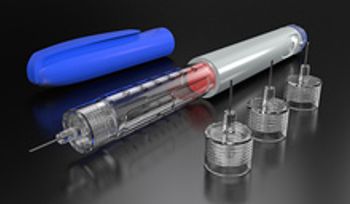
The Inflation Reduction Act’s cap on out-of-pocket costs for insulin is likely to improve outcomes for almost half of Medicare’s insulin users.
While ICER found that overall major payer coverage policies are in line with the organization’s fair access criteria, many payers do not provide adequate transparency into clinical coverage criteria.
The FDA has approved two medications: Rybelsus for first-line treatment of diabetes and asthma rescue combination medication. The agency has accepted an sNDA for Rexulti for Alzheimer’s agitation, and Eisai submits new Alzheimer’s drug for full approval.
Optum Rx’s Humira biosimilar strategy for 2023 was set up to allow for the most value in the first year, said CEO Heather Cianfrocco.
Newer treatments, including targeted and immunotherapies, have contributed to an increase in five-year survival rates for patients with some cancers.
New approvals include gene therapies, first-in-class drugs, treatments for rare diseases, and cancer, as well as biosimilars.
The FDA ends the week with the approval of the Alzheimer’s medication lecanemab. Two other approvals include: Olpruva for urea cycle disorders and Wegovy for weight loss in teens. The agency has also accepted several applications, including Genentech’s second bispecific antibody, glofitamab, for blood cancer, UCB’s second application for generalized myasthenia gravis, and a therapy RSV prevention in infants. Two companies have submitted applications: Celltrion for a new formulation of infliximab and Orasis for blurry vision treatment.

An integrated approach helped Regence drive conversion to biosimilars with a 95% member utilization.
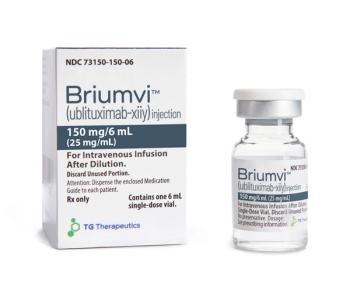
Ublituximab, now with brand name Briumvi, is the first anti-CD20 monoclonal antibody approved for patients with multiple sclerosis that can be administered in a one-hour infusion twice-a-year.
In a busy week for FDA approvals, the agency cleared several first in class therapies: a treatment for HIV-1 and for follicular lymphoma. Other approvals include: Tymlos for osteoporosis in men; Vraylar for major depressive disorder; Cytalux to identify lung cancer during surgery. In COVID-19 news, the agency approved Actemra for hospitalized patients. The FDA has also accepted a sBLA for Padcev, Keytruda combo for urothelial cancer.

ICER analysts remain uncertain about using amyloid removal as a surrogate marker for clinical benefit in Alzheimer’s disease.

ICER analysts remain uncertain about using amyloid removal as a surrogate marker for clinical benefit in Alzheimer’s disease.

The monoclonal antibodies that treat patients with multiple sclerosis would have to be priced more than 50% lower to meet the common standards of cost-effectiveness, according to the Institute for Clinical and Economic Review.
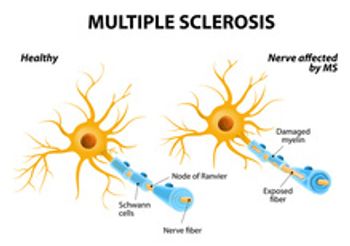
The monoclonal antibodies that treat patients with multiple sclerosis would have to be priced more than 50% lower to meet the common standards of cost-effectiveness, according to the Institute for Clinical and Economic Review.
Smaller and midsize pharmacy benefit managers are taking on Optum Rx, CVS Caremark and Express Scripts. They say they have better technology and are more transparent about their pricing.
In COVID-19 news, the FDA granted fast track designation to COVID-19-flu vaccine combo. The FDA has approved the first gene therapy for bladder cancer, an 8th biosimilar referencing Humira, granted accelerated approval for KRAS-mutated lung cancer therapy, and approved Iyuzeh to reduce intraocular pressure. The agency also extended review of Lynparza/abiraterone combination for prostate cancer. In addition, two companies have submitted applications: Soligenix for a novel therapy for cutaneous T-cell lymphoma and AbbVie for Linzess in children and adolescents.