A study with three years of follow-up shows that the drug stays effective and safe for most, although 16% stopped getting treated with Dupixent, mainly because it was ineffective or caused side effects.
Patients using GLP-1 medications may notice facial changes due to fat loss. Vasyukevich stresses education and options for maintaining a youthful appearance.
As GLP-1 medications become more widely used for diabetes management and weight loss, more patients are noticing changes in their appearance, especially in the face. In a conversation with Managed Healthcare Executive, New York plastic surgeon Konstantin Vasyukevich, M.D., explained why these changes happen and how clinicians can help patients understand them without discouraging appropriate treatment.
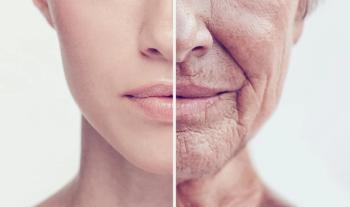
According to Vasyukevich, weight loss from GLP-1 drugs leads to fat loss throughout the body, including the face. The face contains two main fat compartments: one closer to the skin and another deeper layer that supports facial structure. When both layers lose volume, the face can begin to look older.
Common changes include deeper wrinkles, more noticeable grooves, sagging in the cheeks and neck and increased visibility of facial bones. Skin alone is not enough to maintain a youthful appearance once this fat is reduced.
Vasyukevich noted these changes are not guaranteed and don’t always affect every patient taking GLP-1s. However, they are a possibility that clinicians should be aware of as use of these drugs continues to grow.
He added that the health benefits of GLP-1s are significant, particularly for managing blood sugar and reducing complications related to being overweight. From a clinical perspective, Vasyukevich said patient education is key.
For instance, providers should explain that appearance-related changes can occur but should not frame them as inevitable or alarming.
“People should know that there are ways that this aging change could be a result of taking GLP-1s,” Vasyukevich said. “(The facial appearances) could be improved (and) reversed oftentimes with facial rejuvenation procedure.”
For dermatologists and other clinicians, the goal is balance. Acknowledging potential appearance changes while keeping the focus on overall health can help patients set realistic expectations, reduce anxiety and stay committed to medically appropriate GLP-1 therapy while understanding their options if cosmetic concerns come about.