

A recently published review delves into the role that type 2 inflammation plays chronic rhinosinusitis and the evidence that agents that interfere with that inflammatory pathway could be used as treatments.
A recently published review delves into the role that type 2 inflammation plays chronic rhinosinusitis and the evidence that agents that interfere with that inflammatory pathway could be used as treatments.

A large prospective study of the use of Rituxan (rituximab) and a biosimilar, Novex, has yielded safety data validating the use of this agent in pediatric patients with a wide range of diseases and conditions, ranging from oncologic and hematologic to neurologic.

The agency plans to convene an advisory committee to review the application of Nuplazid to treat Alzheimer’s psychosis. The FDA also approved an indication for Opdivo, okays a third biosimilar to blockbuster cancer treatment Neupogen, and issues complete response letter for long-acting HIV therapy.

Study adds to the evidence that reducing the risk of blood clots should be one of the main goals of managing these myeloproliferative disorders. Monitoring cholesterol levels may be especially important.

Besremi (ropeginterferon alfa-2b-njft) is the first interferon approved specifically as a treatment for polycythemia vera.

Anthem, which owns Blue Cross Blue Shield plans in 14 states, will need shareholder approval to make the change. The vote is scheduled to occur May 18.

JAK inhibitors, such as Jakafi (ruxolitinib), have helped improve outcomes and survival of patients with the rare blood cancer.

The company will distribute nalmefene for no profit, which is part of the company’s bankruptcy filing and settlement with states.

Preliminary research using an animal model found that hypoxia during pregnancy had behavioral and neuropsychiatric impacts on offspring.

Getting boosted is now the rule, not the exception, when it comes to COVID-19 vaccination recommendations. The CDC now recommends that everyone, ages 12 and older, get a dose of an mRNA COVID-19 vaccine, either Pfizer’s or Moderna’s. For people who have gotten the two-shot Pfizer or Moderna series, the booster is their third jab. For those who got the single-dose Johnson & Johnson vaccine, it is the second.

For now, only the Pfizer and Moderna vaccines have full FDA approval, but many candidates are in phase 2 or 3 trials.

Besremi is included as an option to treat the rare blood disorder polycythemia vera regardless of treatment history and for use in both low- and high-risk settings.

Chief Operating Officer of Hint Health, Mark Nolan, discussed direct contracting in healthcare among his organization with Managing Editor of Managed Healthcare Executive, Peter Wehrwein, in this week's episode of Tuning In to the C-Suite podcast.

A new study sheds light on the nature of the “long covid.” Researchers say SARS-CoV-2 needs to be viewed not as a respiratory virus but as one with systematic effects.

The 30-minute documentary by a filmmaker with primary-progressive multiple sclerosis doesn’t settle for easy answers about the causes of the disease.
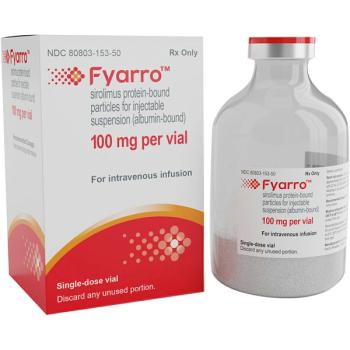
Aadi Bioscience recently launched Fyarro, the first FDA-approved therapy to treat an ultra-rare sarcoma.
Results reported in the Journal of Clinical Oncology suggest filtering naïve T cells from peripheral blood stem cell transplants may decrease the risk of chronic graft-versus-host-disease. An accompanying editorial says a randomized trial is needed to provide definitive proof.

The 200-patient trial will test whether adding a monoclonal antibody called itolizumab to high doses of corticosteroids will improve outcomes for patients who develop acute graft-versus-host-disease after a stem cell transplant.

Analysis of answers to online survey shows that telehealth use is high among people with multiple sclerosis (MS) amid the COVID-19 pandemic. Telehealth may be an appealing option for patients with MS who have physical impairments that make traveling to in-person appointments difficult.

The decades-long quest for a vaccine against HIV has been fruitless so far. Moderna hopes an HIV vaccine that uses its messenger RNA technology will break the losing streak. A phase 1 trial designed to include 56 volunteers has started.

Once approved, the insulins will be available to patients for no more than $30 per vial.

Physicians who are reluctant or even opposed to broad use of pre-exposure prophylaxis (PrEP) against HIV may keep physician assistants and nurse practitioners from prescribing the antivirals that can prevent infection and spread of HIV. Making PrEP an over-the-counter treatment would be one way of increasing access.

A recent meta-analysis shows that a large proportion of people with multiple sclerosis have osteopenia or osteoarthritis. Lack of mobility and vitamin D deficiencies may play a causative role.

Coverage requirements may result in premium hikes next year, say some health plan executives.

Off-label Avastin, Eylea and Lucentis are the primary treatments for neovascular age-related macular degeneration (AMD), a leading cause of blindness. A recent review article looked at the impediments to the biosimilars for these drugs Ophthalmologists are wary about using biosimilars to Avastin (which was approved as a cancer drug) for AMD. Biosimilars to Eylea and Lucentis are not on the market yet. Manufacturers’ rebates and Medicare Part B “buy and bill” policies could make it difficult for them to compete against their brand-name “originator” products.

When managed care got started in the early ’80s, the focus was on physician and hospital services. Primary care doctors were positioned as gatekeepers, controlling referrals to specialists. Insurers came under a lot of criticism for shortening hospital stays. Now much of the managed care energy is trained on drug costs.

How successful accountable care organizations (ACOs) have been in bringing about value-based care hinges, of course, on how success is defined. CMS’ comprehensive end-stage renal disease (ESRD) care model is a good example.

Like the entirety of the world, the COVID-19 pandemic exposed many issues in the medical industry. One area in particular: the clinical trials space developed many challenges as a result to the height and continuous battle of the pandemic.

The interplay between nonalcoholic fatty liver disease and diabetes can amplify both conditions, say two prominent researchers.