































A new study finds that diabetes and mental health are linked. People with chronic diabetes complications are at a three-times greater risk of having a mental health condition.
A new study finds that diabetes and mental health are linked. People with chronic diabetes complications are at a three-times greater risk of having a mental health condition.

New research looks at the impact of state-level caps on out-of-pocket costs for insulin. Before the caps, most commercial enrollees were already paying costs below the cap amounts.

Medicaid children with type 1 diabetes are three times more likely to receive metformin than commercial enrollees even though metformin is only indicated for use in patients with type 2 diabetes.

As many as 40% of people with type 1 diabetes are unaware that they have the disease.

The FDA is asking for information about the manufacturing process, as well as the type 1 diabetes indication.

Findings from observational studies in the past have not been consistent on the link between type 1 diabetes and epilepsy.

A new guidance aims to provide a consensus on autoantibody testing and monitoring to identify those with early-stage type 1 diabetes whose disease could progress.

Global mortality fell 13 times faster in countries with a high sociodemographic index compared with countries with a low-middle sociodemographic index.

Researchers suggest younger people with diabetes need more education and better support to manage their diabetes.

Eating disorders among patients with type 1 diabetes have increased, which increases the risk for serious complications. Patients who skip insulin doses are at a three times greater risk of premature death.
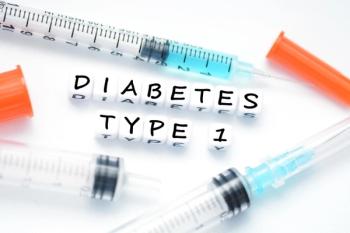
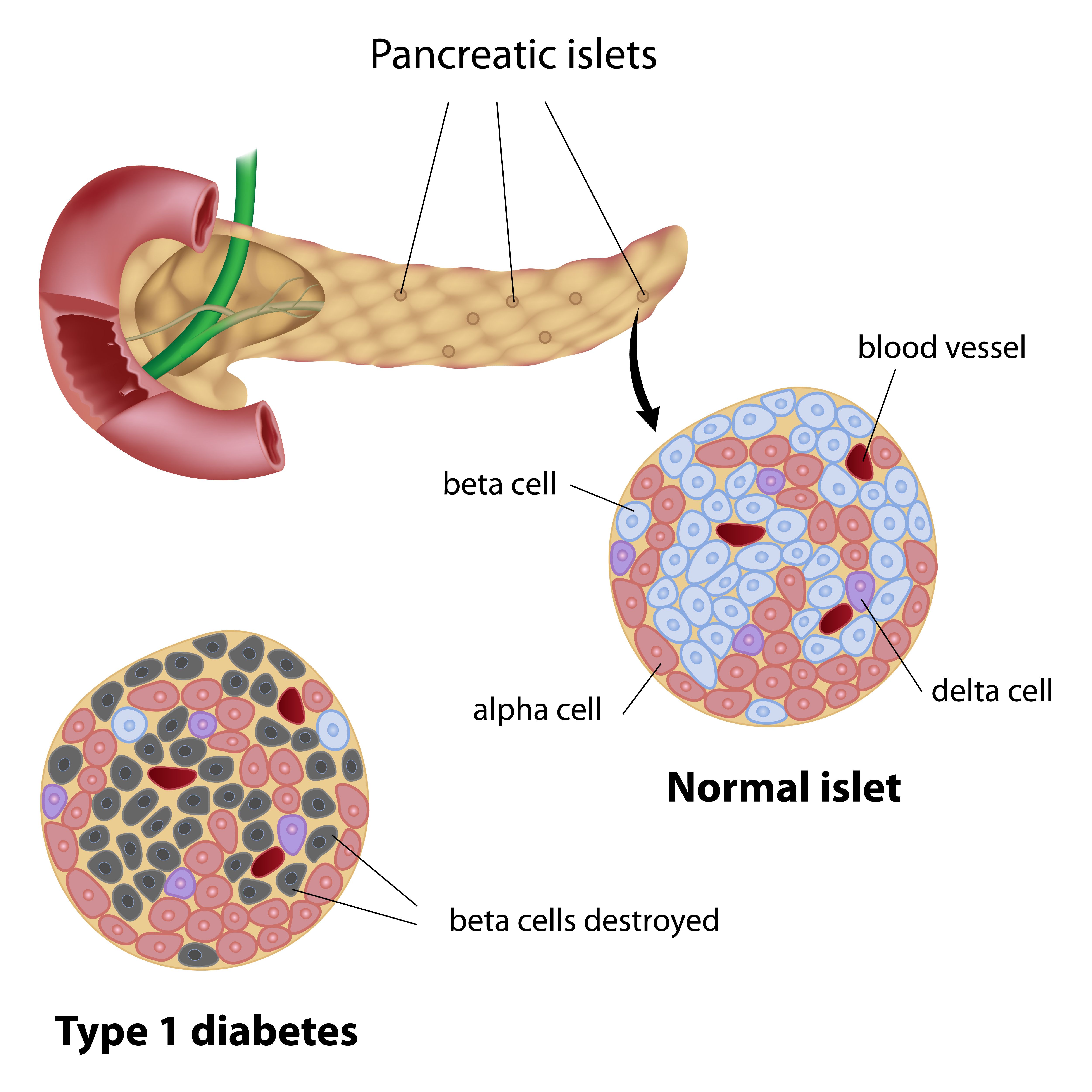
Type 1 diabetes is an autoimmune disease that affects more than 2 million Americans.

Johns Hopkins researchers have shown that a monoclonal antibody can reverse type 1 diabetes. It targets a different antigen than Tzield.

The rate of ketoacidosis among children younger than 5 years of age with type 1 diabetes is higher in Medicaid than commercial plans, finds new analysis.
Researchers also found that there was variation in use of the insulin glargine interchangeable biosimilars across state Medicaid programs.
Researchers found that pancreas volume, coupled with metabolic measures, can better predict disease progression of type 1 diabetes than either MRI imaging or glucose testing alone.

People with higher incomes and those in health plans with health savings accounts benefit more than others, according to research results published this week in the Annals of Internal Medicine. The research also showed no increase in insulin use,

A new study finds that the use of continuous glucose monitoring helps reduce complications from type 1 diabetes, lowering the risk of developing or progressing diabetic retinopathy.

The research grant will examine barriers to access to continuous glucose monitoring, which is widely seen as having advantages over keeping tabs of blood sugar levels with finger pricks,