
















Oncology
Latest News

Jeffrey Skolnik of Inovio Pharmaceuticals Inc. Discusses Glioblastoma Treatment
By Mary Caffrey

AstraZeneca's Adrian Kilcoyne Sees Paradigm Shift in Lung Cancer Treatment
By Mary Caffrey
Advertisement
Advertisement

During the American Society of Clinical Oncology 2020 Annual Meeting, Flatiron Health, Foundation Medicine, and Genentech will be presenting plans for the Prospective Clinico-Genomic study (PCG), a low-interventional pilot that will use a technology-enabled prospective data collection platform to simplify data collection for patients with lung cancer being treated through clinical trials. The idea is collect blood samples using Foundation Medicine’s liquid biopsy assay and analyze the results through Flatiron’s platform, to see if genomic changes can be detected over the course of cancer treatment. Bobby Green, MD, chief medical officer for Flatiron Health, spoke with Managed Healthcare Executive®.
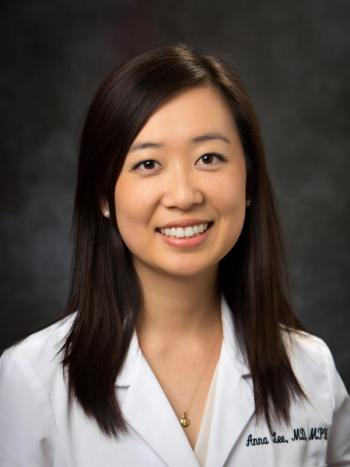
Anna Lee, lead author of the abstract: Changes in Cancer Mortality Rates After the Adoption of the Affordable Care Act, discusses her study with MHE. Lee presented her study May 29 during ASCO 2020's virtual conference.
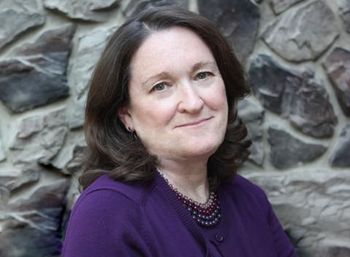
Sara Douglas, lead investigator of the Abstract: Video Conference Intervention for Distance Caregivers (DCGs) of Patients with Cancer: Improving Psychological Outcomes, discusses her study with MHE's Briana Contreras which will be presented at ASCO 2020.

A fresh look at MURANO data, released this week at the American Society of Clinical Oncology 2020 Annual meeting, shows the poor outcomes that result when patients halt treatment for good, and highlight the need to manage doses carefully to avoid toxicity.

The 2020 annual meeting of the American Society of Clinical Oncology that launches today will feature the first results from CITYSCAPE, a trial involving a novel immunotherapy approach in non-small cell lung cancer (NSCLC). This phase 2 trial is the first to combine the immunotherapy tiragolumab with atelzolizumab (Tecentriq), the monoclonal antibody that targets the programmed cell death ligand-1 (PD-L1).

Cardinal Health Oncology survey shows oncologists want more training to care for growing number of cancer survivors.

Patients and their oncologists are weighing the pros and cons of delaying treatment. Once the outbreak subsides, how might the practice of oncology change?

Videoconferencing reduced anxiety and stress among “distance caregivers,” according to the results of randomized trial scheduled to be presented at the annual meeting of the American Society of Clinical Oncology.

Medicaid expansion under the Affordable Care Act resulted in a decrease in cancer mortality rates that translated into 785 fewer cancer deaths in 2017 expansion states, according to results of a study scheduled to be presented at annual meeting of American Society of Clinical Oncology (ASCO), which is now scheduled to be held virtually May 29-31 instead of in Chicago.
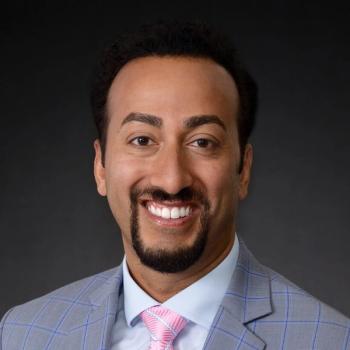
As president and CEO of Cancer Treatment Centers of America, Pat A. Basu, MD, MBA, looks to transform, improve, and influence cancer care on a large scale.

CMS won't require on-site supervision by oncologists at hospital outpatient departments

FDA cleared the first generic sodium iodide product to treat hyperthyroidism and carcinoma of the thyroid.
Breakthrough treatments for lung cancer and melanoma have driven down cancer deaths, seeing the largest ever decline from 2016 to 2017.

How a joint accountability arrangement between Minnesota Blues and Minnesota Oncology hopes to lower patient costs and improve outcomes.

Collaboration within the healthcare industry is needed to push the cancer death rate down.

Cancer treatment is becoming more personalized. Here’s how.

Oncological facilities that promote flexibility are the ones best suited to care for the needs of their patient population.

Because the disease in males is rare, they have historically been excluded from clinical trials of breast cancer drugs.

FDA is evaluating risks to patients.
From breast cancer to prostate cancer, the state of oncology care and how it will evolve.

FDA approved yet another indication for pembrolizumab (Keytruda) to treat patients with recurrent, locally advanced or metastatic, squamous cell carcinoma of the esophagus (ESCC).

Customized survivorship plans specific to the cancer the patient endured and the treatment they received are essential.

Oncologists are under intense pressure to come up with cost savings-and many are turning to value-based care structures.

Top oncology experts share how they deliver these therapies to patients in need.
Advertisement
Advertisement
Trending on Managed Healthcare Executive
1
Heather Burrell Ward, M.D., on personalizing TMS in schizophrenia
2
Teledentistry is a step in closing the gap in dental care
3
FDA approves Lilly’s Onswik, the second once-weekly insulin
4
Why consumers still can’t comparison shop for medication
5