

Opinion|Videos|September 2, 2026
Symptoms that signal when it might be time to start treatment
Author(s)Christina Poh, M.D.
Fevers, drenching night sweats, weight loss, significant or progressive lymphadenopathy, involvement of the bone marrow that is significant that leads to cytopenias, or if the disease is threatening the function of an important organ are among the reasons to start treatment, says Poh.
Advertisement
Episodes in this series

Fevers, drenching night sweats, weight loss, significant or progressive lymphadenopathy, involvement of the bone marrow that is significant that leads to cytopenias, or if the disease is threatening the function of an important organ are among the reasons to start treatment, says Poh. There really isn't one universally best regimen for each patient, Poh notes, and the goal is to choose an effective treatment while minimizing toxicity and avoiding unnecessary treatment intensity. For patients with relatively low tumor burden, an anti-C20 antibody-based approach can be combined with chemotherapy or with a targeted agent, Poh says. Oncologists are increasingly incorporating chemotherapy-free approaches and rituximab combined with lenalidomide is now an established frontline option, she observes.
Advertisement
Related to this article

10 research abstracts presented at the CHEST meeting are split on whether hospital admission during the weekend is assoicated with worse outcomes than admission on weekdays.
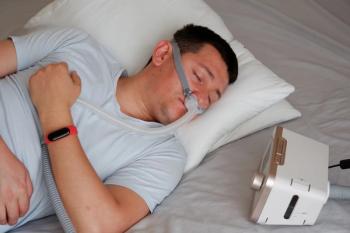
Research findings scheduled to be presented at the CHEST meeting show broad positive cardiopulmonary effects from GLP-1s and an association with a reduced risk of acute respiratory failure.

Chad Hatfield, Pharm.D., of UC Davis Health, says 340B savings fund free clinics and mental health care that could shrink as the program’s future shifts.

Fewer than 1 in 5 eligible adults get lung cancer screening. Experts told MHE over email that health plans can help by easing cost, coverage and approval barriers.
Healthcare spending for employer-insured Americans rose by nearly 19%between 2019 and 2023, driven by higher prices, surging drug costs, and spending on hospital care, says the president and CEO of the Health Care Cost Institute.

All 46 people with HIV who started long-acting lenacapavir and cabotegravir at a University of California, San Francisco, clinic reached or kept viral suppression over a median of 100 weeks.
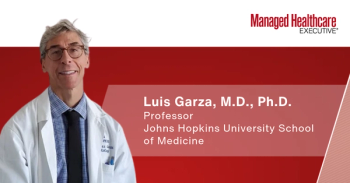
Luis Garza, M.D., Ph.D., a Johns Hopkins professor, says hidradenitis suppurativa is neither an infection nor a classic autoimmune disease but an auto-inflammatory condition.

Vision impairment affected 17.6% of 1,484 adult burn survivors in a study presented at AAO 2026, with age the strongest predictor of difficulty seeing.
Advertisement
Advertisement
Trending on Managed Healthcare Executive
1
Long-acting lenacapavir plus cabotegravir kept all 46 patients with HIV virally suppressed in recent trial
2
More pluses for GLP-1s for obstructive sleep apnea | CHEST 2026
3
Is there a dangerous 'weekend effect' to hospitals admissions? The verdict is split | CHEST 2026
4
Why biosimilars keep losing ground to brand-name rivals: A Q&A with Christine Johnston, MBA
5