



Opinion|Videos|October 4, 2024
Overcoming Barriers in ART
Author(s)Jeffrey Dunn, PharmD, MBA
Jeffrey Dunn, Pharm.D., MBA, discusses how the overall issues for assisted reproductive technologies (ARTs) encompass a range of challenges, including access, affordability, efficacy and ethical considerations, and the need for continued research and improvement in treatment protocols
Advertisement
Episodes in this series


Video content above is prompted by the following:
- What do you see as overall issues for assisted reproductive technology?
Advertisement
Related to this article

National Alliance names Jenny Goins interim CEO after former leader’s arrest; details emerge on charges, firing timeline, and impact on healthcare policy circles.

Only 19% use AI predictive models in cancer care despite strong belief in impact; 2026 Oncology Care Index highlights reimbursement, training, funding barriers.

Hispanic HIV incidence rose 16.8% in antisanctuary counties after the 2018 public charge announcement, relative to baseline counties, a new study found.
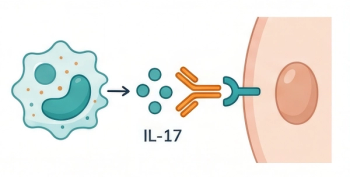
A review of randomized clinical trials, nonrandomized trials and case reports suggests that the inflammatory bowel disease risk from treatment with IL-17 inhibitors is low.

From a 95% remission rate in Japan to $81.6 billion in U.S. savings since 2015 — a data-driven look at where biosimilars stand today, and where the gaps remain.

AI pathology tool measures lung cancer treatment response after neoadjuvant chemoimmunotherapy with 91% accuracy, speeding NSCLC care while needing review for complete response.

A review of 57 studies found music eases pain through positive emotion, control and moving in time with the beat, according to recent research out of Drexel University.

UC San Diego researchers found that early-onset metabolic dysfunction-associated steatotic liver disease cirrhosis was linked to higher genetic risk and Type 2 diabetes prevalence.
Advertisement
Advertisement
Trending on Managed Healthcare Executive
1
National Alliance names interim head after arrest of its president
2
The quest to keep skin from aging may lead here
3
The IBD risk among patients with hidrandentitis suppurtiva treated with IL-17 inhibitors: Low but not nothing
4
Why people under 50 may develop fatty liver disease
5