




















The CAR T-cell therapy targets the CD19 protein ubiquitous on the surface of B cells, which are known to mediate various types of autoimmune diseases, including MS.
The CAR T-cell therapy targets the CD19 protein ubiquitous on the surface of B cells, which are known to mediate various types of autoimmune diseases, including MS.

A subset of natural killer cells may be a potential target for the development of agents protective against MS.

Funding will go to six recipients of the Challenges in Progressive MS Awards and nine to the Innovation in Well-Being Awards.

Research aims to find the cause of prevalence of osteoporosis in MS patients due to lack of research.

Study shows that MRI imaging can identify cortical lesions and the central vein sign that are informative in diagnosing multiple sclerosis.

Vidofludimus calcium is a potential first-in-class nuclear receptor related 1 (Nurr1) activator and a selective dihydroorotate dehydrogenase (DHODH) inhibitor.

It is believed that reasons for these racial disparities may include socioeconomic factors, but the true causes are not fully understood. Some researchers believe that immunologic differences may also play a role.

The FDA’s decision to allow at-home dosing of intransal foralumab for patients with multiple sclerosis is likely to improve patient compliance to treatment and health outcomes, according to a recent release statement.


Progressive multifocal leukoencephalopathy (PML) is caused by John Cunningham virus (JCV). A recently published study suggests that the number of cases of PML related to Tysabri (natalizumab) have been decreasing perhaps as a result of increased monitoring.

Swoop, a New York-based company, has launched an algorithm that may help people with multiple sclerosis take medications as prescribed.


Researchers in Serbia identified link between autonomic symptom burden and quality of life.
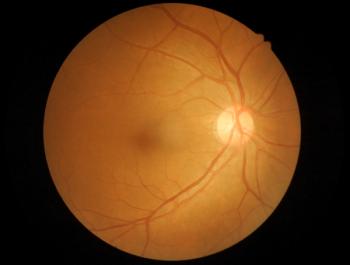
Optical coherence tomography was found to be comparable with MRI in detecting changes to the retina in patients with multiples sclerosis and is non-invasive, inexpensive, fast, and easy to perform.

In a study recently published in Neurology, researchers investigated the relationship between early treatment and the risk for long-term disability in patients with clinically isolated syndrome.

Ibudilast is a small molecule being developed by biopharmaceutical company MediciNova for the potential treatment of MS. The company, based in La Jolla, California, is currently calling the oral formulation MN-166.



Researchers have been working on sorting out the causal direction of multiple sclerosis (MS) and depression. These findings suggest that depression can be a consequences of MS-related disability not the other way around.

Mutations in one locus were associated with a decrease in the median time until needing a walking aid of between 3.3 and 3.7 years.

The researchers conclude that it is “reasonable option” for older patients with stable multiple sclerosis (MS) to stop taking disease-modifying therapy because the risk of relapse from doing so is small.

Patients with multiple sclerosis (MS) with a plant-rich diet had less symptom burden compared with patients with MS who had an elevated intake of red meat and processed meat.

Improvements have been indicated by a large decrease in the relapse rate during their third trimester of pregnancy.

Merck and Sanofi’s Bruton tyrosine kinase inhibitors were dealt setbacks when the FDA put partial clinical holds on their development because of liver toxicity issues.