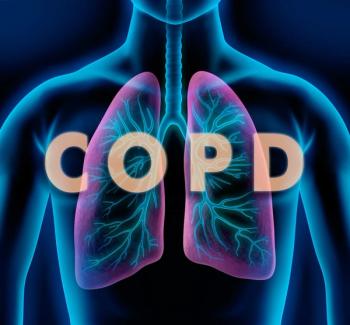
Pope Leo early-stage adenocarcinoma is a reminder that lung nodules often cause no symptoms and that people who never smoked can get lung cancer.
Here are the top performing articles about obesity published this year on Managed Healthcare Executive.
1. GLP-1 Tiering Agreement Reached, Says Optum Rx President
Health plans that use Optum Rx as their pharmacy benefit manager (PBM) will be allowed to tier their coverage of GLP-1s and still receive rebates under an agreement the PBM has reached with the manufacturers, says the PBM president. Optum officials said later that the negotiations were still ongoing.
2. Diabetes Weight Loss Drugs Could be Linked to Reduced Risk of MS, Study Finds
Drug repurposing has recently emerged as an attractive pathway for developing new treatments due to its relatively fast and cost-efficient trajectory. Because obesity and MS share inflammatory properties, researchers used data from the FDA Adverse Event Reporting System to investigate the association between weight loss-inducing drugs and MS.
3. GLP-1 Drugs for Obesity May Not Have to be All or Nothing
A simulation model projects there could savings if patients are switched to lower cost drugs or programs after initial weight loss using GLP-1 drugs.
4. Obesity, Heavy Smoking and Short Sleep Linked to Increased Risk of Multiple Myeloma
Those who suffer from obesity, heavy smoking and short sleep have a higher chance of developing mass spectrometry (MS) and monoclonal gammopathy of undetermined significance (MGUS), which can often lead to multiple myeloma.
5. Lilly Introduces Zepbound Single-Dose Vial for Cash-Paying Patients
The monthly price of the 2.5 mg Zepbound single-dose vial is $399 and the 5 mg dose is $549, which Lilly officials said is in line with the savings program for without insurance.