


Opinion|Videos|March 6, 2025
The Future of Treatment Approaches for Pulmonary Fibrosis
Author(s)Anthony J. Esposito, M.D.
An expert discusses the key unmet needs in current treatment approaches for idiopathic pulmonary fibrosis (IPF) and progressive pulmonary fibrosis (PPF).
Advertisement
Episodes in this series
Video content above is prompted by the following:
What are the key unmet needs in current treatment approaches for IPF and PPF?
Advertisement
Related to this article
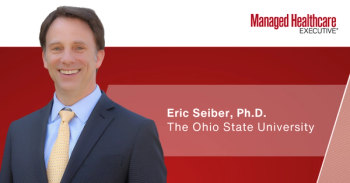
In this discussion, Ohio State economist Eric Seiber, Ph.D., explains how inconsistent claims-data definitions can skew estimates of first-episode psychosis and why standardization matters for early treatment and sustainable payment models.

CMS’ mandatory GLOBE drug model ties some Medicare Part B rebates to global prices, but cuts projected savings sharply amid shifting Part D premiums.

Bill Kerr of Avalon Heath Solutions says incorporating Z codes into CPT codes for lab and genetic testing would add needed specificity, reduce waste and possibly head off fraud.
States have to turn that information into medical frailty determinations that are clinically credible, consistent, and workable across large Medicaid populations.
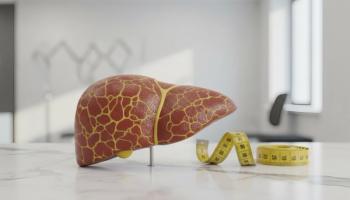
A meta-analysis found steatotic liver disease in 75% of patients with sleep-disordered breathing and that CPAP lowered liver enzymes but not liver fat.

Some predicted that drugmakers might boost launch prices to make up for Medicare drug negotiations shrinking profits. Harvard researchers find no evidence of that happening so far.

State PBM reform accelerates through 2026, with Theresa Carnegie of Mintz unpacking new laws, rebate pass-through, spread pricing bans, and compliance risks.

Only 19.1% of commercially insured patients with first-episode psychosis were adherent to antipsychotics in the year after starting treatment.
Advertisement
Advertisement
Trending on Managed Healthcare Executive
1
FAQ: State PBM reform in 2026—What's new since spring
2
IRA drug price negotiation has not increased launch prices, study finds
3
CMS defined a path for medical frailty. Now comes the hard part.
4
When the referral isn't the finish line: Making SDOH programs actually close care gaps
5