Geisinger Health Plan expects Medicaid enrollment to fall roughly 10% as H.R. 1 takes effect, President Jeremy Gaskill says, though the timing is still unclear.
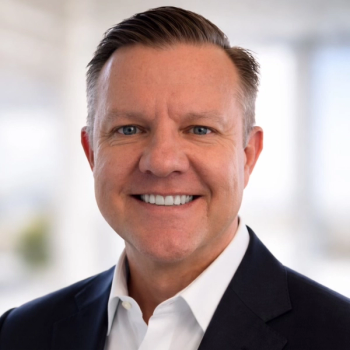
Geisinger Health Plan President Jeremy Gaskill says being owned by a health system aligns incentives, cuts payer-provider busywork and speeds care to patients.
Jeremy Gaskill, president of Geisinger Health Plan (GHP), says the biggest advantage of a health plan owned by a health system is integration and the aligned incentives that come with it. GHP, which has just over 500,000 members, is part of Geisinger, a nonprofit, 10-hospital system based in Danville, Pennsylvania. Gaskill joined GHP in February after more than two decades at Humana, most recently as its central region president for Medicare.
Because the plan and the clinical organization sit in the same enterprise, Gaskill said, they can strip out much of the busy work that typically goes on between payers and providers — approvals, edits and audits — which can speed care to patients. And because the enterprise sees revenue from both the health plan and the clinical side, there is a shared recognition of the value of keeping members healthy: making sure they get the right care in the right place and the right prescriptions, and that they see their primary care physicians and specialists regularly to manage their conditions.
That engagement, he said, keeps members out of the emergency room and out of inpatient stays. “I’ve never met a member that would like to be in the ER or in the hospital more than they need to be,” Gaskill said. A provider organization without that view from both sides, he added, might be pulled toward a revenue-generating approach of bringing patients into the system to have things done.
Gaskill also said integrated systems tend to recognize that Medicaid, Medicare Advantage and commercial members each call for a different approach to care management, rather than managing all patients the same way.
Asked about the tension that remains because hospitals still need patients, Gaskill acknowledged a natural friction between payers and providers, particularly in the commercial market, where providers make money by bringing patients in and payers by keeping them healthy and out. Value-based arrangements in the commercial market have historically not been very robust, he said. Medicare Advantage is different: Its playbook rests on high-quality, patient-satisfied care reflected in star ratings and on understanding every condition a patient has. Payers can’t succeed there without strong provider partners, so the two succeed or fail together, and as a nonprofit, GHP can reinvest those gains in its products.