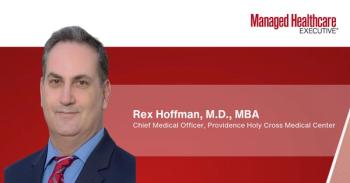
Rex Hoffman, M.D., MBA, says physician shortages and burnout are the most underestimated pressures on health system.
The Department of Health and Human Services is celebrating Match Day early by providing more than $5 million in funding to Teaching Health Center Graduate Medical Education programs, supporting approximately 100 residents training in underserved and rural communities.
Match Day, which takes place this Friday, is the annual milestone when medical students learn where they will complete their residency training. This year the Health Resources and Services Administration (HRSA) marked the occasion early by awarding more than $5 million in funding to 26 Teaching Health Center Graduate Medical Education (THCGME) programs, according to a
Established under the Affordable Care Act in 2010, the THCGME program was created to expand primary care training opportunities in community-based and outpatient settings, particularly in underserved and rural areas.
Unlike traditional hospital-based residencies, THCGME programs place residents in primary care medical and dental settings outside large hospitals, giving trainees direct experience in medically underserved areas, which are defined by an
Match Day itself is the culmination of months of preparation. Medical students interview with programs, and both students and programs rank each other based on preferences. These rankings are then processed through a matching algorithm designed to optimize pairings between students and programs. For residents entering THCGME programs, the match means they will train in outpatient clinics, rural communities and other non-hospital settings, which provides a real-world perspective on patient care that shapes their careers. Matches are typically revealed at noon on the third Friday in March.
Last year, the THCGME program supported more than 1,250 residents across 88 programs nationwide, caring for nearly 610,000 patients during more than 630,000 patient contact hours. Since it began,
The breakdown of clinical training sites is as follows:
Collectively, these professionals have gone on to provide more than 12 million hours of care in rural and underserved communities. Research shows that physicians who train in these environments are more likely to continue practicing in similar communities after graduation, helping to address long-standing healthcare disparities.
HRSA projects that by 2038, the United States will face a shortage of approximately 70,610 primary care physicians, including family medicine, general internal medicine and geriatrics specialists. Rural areas are expected to be affected more severely than urban centers, highlighting the importance of programs like THCGME that focus on equipping residents to practice where they are most needed.
“The funding allows health centers and other safety net providers to prepare a primary care workforce that understands and meets the needs of the communities they serve,” HRSA Administrator Tom Engels said in the news release. “With Match Day approaching, these funds will support the next generation of clinicians who will care for patients in rural and underserved areas.”