A study with three years of follow-up shows that the drug stays effective and safe for most, although 16% stopped getting treated with Dupixent, mainly because it was ineffective or caused side effects.
The FDA has approved Sotyktu (deucravacitinib) as the first selective TYK2 inhibitor for adults with active psoriatic arthritis.
The FDA has approved Bristol Myers Squibb’s Sotyktu (deucravacitinib) for the treatment of adults with active
Sotyktu is a selective tyrosine kinase 2 (TYK2) inhibitor and is the first medication in this class approved for PsA. The once-daily oral therapy was previously approved in 2022 for adults with moderate-to-severe
The latest approval expands the drug’s potential use to patients with active PsA, a condition characterized by inflammation of the joints as well as in the entheses, which are the sites where tendons or ligaments attach to the bone.
Psoriatic arthritis affects a substantial portion of patients living with psoriasis — up to 30% of individuals with psoriasis eventually develop PsA.
Beyond the physical symptoms, the condition can significantly affect quality of life due to pain, fatigue and impaired physical function.
The FDA’s decision was based on results from two pivotal phase 3 clinical trials, POETYK PsA-1 and POETYK PsA-2, which evaluated the efficacy and safety of Sotyktu 6-milligram dose taken once daily in adults with active PsA.
The phase 3 POETYK PsA trial program enrolled more than 1,200 patients across two randomized, double-blind, placebo-controlled studies. Both trials included a 16-week placebo-controlled period followed by continued active treatment through 52 weeks, with additional open-label extension periods available for longer-term evaluation.
In the POETYK PsA-1 trial, 54% of patients treated with Sotyktu achieved an ACR20 response compared with 34% of those receiving placebo. In POETYK PsA-2, 54% of patients receiving Sotyktu reached an ACR20 response compared with 39% of those in the placebo group.
Additional clinical outcomes also favored the treatment. Higher proportions of patients receiving Sotyktu achieved ACR50 and ACR70 responses, indicating 50% and 70% improvements in symptoms, respectively. Patients treated with Sotyktu also experienced greater rates of minimal disease activity compared with placebo in both trials.
Researchers also assessed patient-reported outcomes related to health-related quality of life. According to Philip J. Mease, MD, director of rheumatology research at Providence Swedish Medical Center and clinical professor at the University of Washington School of Medicine, patients treated with Sotyktu demonstrated improvements in the 36-Item Short Form Health Survey physical component summary score at week 16 compared with placebo.
“Psoriatic arthritis is a chronic, progressive autoimmune condition that often involves both the joints and skin,” Mease said in the news release. “Patients often have trouble moving and staying active and can experience pain in the joints and tendons or ligaments. New oral, effective first-line treatments are needed.”
The safety profile of Sotyktu observed in patients with PsA was generally consistent with results seen in studies of plaque psoriasis. The most common adverse reactions occurring in at least 1% of patients and more frequently than placebo included upper respiratory infections, increased blood creatine phosphokinase levels, herpes simplex infections, mouth ulcers, folliculitis and acne.
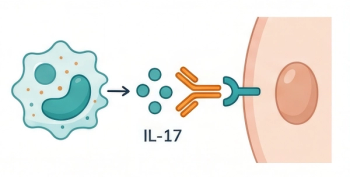
Sotyktu works by selectively targeting TYK2, a signaling protein involved in the immune pathways that drive inflammatory diseases such as psoriasis and PsA. By inhibiting TYK2, the drug helps regulate the activity of cytokines, including interleukin-23, interleukin-12 and type 1 interferons that contribute to inflammation.