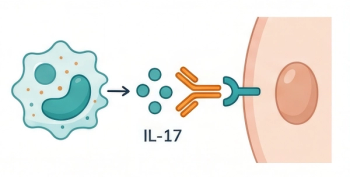
Elevated levels of immunoglobulin G (IgG) drive “inflammaging” processes that take a toll on skin tissue as people age, according to research results reported by Japanese researchers. Reducing IgG may mitigate the loss of collagen and elastin.
The FDA has approved the sunscreen ingredient bemotrizinol, which blocks both UVA and UVB rays.
The FDA has
The path to approval started when DSM Nutritional Products, a chemical and ingredient company, formally requested that the FDA add bemotrizinol to its official list of approved sunscreen ingredients. The FDA reviewed that request, proposed the change in December 2025, and opened a public comment period that ran into late January 2026. After considering feedback, the agency finalized its decision, completing the entire process in about seven months. That speed was possible because of a streamlined review process created under the CARES Act, which gave the FDA new tools for updating long-standing drug rules more efficiently.
Bemotrizinol works by protecting skin from both UVA and UVB rays, the two types of ultraviolet radiation that contribute to sunburn, skin aging, and skin cancer risk. UVA rays are responsible for premature aging and make up approximately 95% of all UV rays reaching earth, while UVB rays cause sunburns and tanning and make up approximately 5% of all UV rays. UVA rays are also present all year round, while UVB rays vary by time of day and season, typically peaking around midday and during summer months. Because bemotrizinol covers both types of rays, it is classified as a broad-spectrum filter, which is generally considered more protective than older ingredients that only addressed one type of UV exposure effectively. The FDA also concluded that the ingredient has low levels of skin absorption, meaning less of it passes into the body, and approved it for use at concentrations up to 6 percent in adults and children as young as 6 months old. This places bemotrizinol alongside other broad-spectrum filters already on the market, but officials say it offers a more efficient option than many ingredients currently used in U.S. sunscreens, some of which have been in place for decades without significant updates.
Health and political officials framed the approval as part of a broader push to update American drug and health regulations. HHS Secretary Robert F. Kennedy Jr. tied the move to the Trump administration's Make America Healthy Again strategy, arguing that it boosts competition and consumer choice. FDA officials echoed that sentiment, saying the approval reflects a commitment to applying modern science to regulatory decisions and getting safe, effective products to market faster. Officials also noted that bemotrizinol has been used safely in Europe for years, giving regulators a substantial body of real-world evidence to draw on when evaluating its safety profile. That international track record played a key role in building confidence that the ingredient could be approved quickly without compromising safety standards.
For everyday consumers, the practical impact is that sunscreen brands will eventually be able to formulate new products using bemotrizinol, which could mean broader options that already exist in European sunscreens. People may notice newer formulas advertised with updated UV protection ingredients in the coming months as manufacturers start incorporating the newly approved compound into their offerings, potentially closing a long-standing gap between U.S. and international sunscreen technology.