


Opinion|Videos|April 29, 2026
Decoding CGM Options: Real-Time, Over-the-Counter, and Professional Devices
Advertisement
Episodes in this series

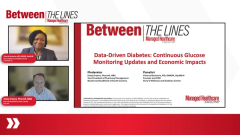
This episode, titled 'Decoding CGM Options: Real-Time, Over-the-Counter, and Professional Devices,' features diabetes and managed care experts discussing the following critical questions:
1. What differentiates rtCGM vs OTC-CGM, and what factors inform your recommendations to patients?
2. What additional data does a professional CGM provide that others cannot? How is that data used to inform treatment decisions and risk?
Led by the moderator, Estay Greene and Victoria Bouhairie examined the key distinctions between real-time CGM (rtCGM), over-the-counter CGM (OTC-CGM), and professional CGM devices, clarifying that while all three measure glucose levels, they serve fundamentally different clinical and lifestyle purposes. The discussion highlighted that rtCGM devices are FDA-approved for therapeutic decision-making and offer clinicians portal access to real-time patient data through platforms like Dexcom and Libre, enabling proactive intervention between visits. The experts also explored how professional CGM (worn in blinded mode for approximately two weeks) provides retrospective glucose insights that can reveal silent nocturnal hypoglycemia and post-meal spikes that patients may be unaware of, making it a valuable tool for uncovering misalignment between A1C results and actual glucose patterns. Dr. Bouhairie noted that while professional CGM has clear clinical utility, transitioning patients to real-time monitoring remains the ultimate goal for reducing both acute and long-term complications.
Throughout the conversation, the experts provide a comprehensive reflection on the field and the factors that may shape how clinicians approach care moving forward.
In the next episode, 'CGM Frequency and Glycemic Control: What the Data Shows in Type 2 Diabetes,' panelists will continue their discussion on diabetes and highlight findings from a retrospective study examining the relationship between CGM usage frequency and HbA1c reductions across different treatment regimens in adults with type 2 diabetes.
Advertisement
Related to this article

Only 19.1% of commercially insured patients with first-episode psychosis were adherent to antipsychotics in the year after starting treatment.

Prioritizing referral completion as much as referral generation will equip organizations to measure results and improve health outcomes.

Daiichi Sankyo and Merck pulled their bid for accelerated approval of I-DXd in small cell lung cancer after the FDA found phase 2 data fell short.

In this discussion, Chad Hatfield, Pharm.D., M.H.A., BCPS, shares his perspective on the evolving role of pharmacy services and the value of collaboration across health care.

CMS transparency rules and AI could bring “Expedia-like” drug price comparisons for consumers, but payer compliance to transparency rules remains low.

Dunn of NeosRx says a 340B shift from discounts to rebates likely won't affect rebate erosion affecting plan sponsors.

Five transcranial magnetic stimulation sessions in one day improved processing speed in adults with schizophrenia, which holds promise for future treatment possibilities, according to researcher Heather Burrell Ward, M.D.

Imaging has been associated with four of the five most prevalent low-value services among Medicare beneficiaries.
Advertisement
Advertisement
Trending on Managed Healthcare Executive
1
Daiichi Sankyo, Merck withdraw bid for accelerated approval of I-DXd in small cell lung cancer
2
Why consumers still can’t comparison shop for medication
3
The hidden costs of routine radiology and how they can be addressed
4
When the referral isn't the finish line: Making SDOH programs actually close care gaps
5