


Opinion|Videos|April 22, 2026
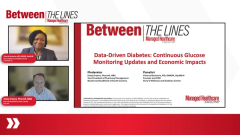
ADA Accommodations and CGM Device Types: A Closer Look
Learn how continuous glucose monitors fit school, work, and hospitals, reducing finger sticks, improving sleep, and clarifying alarm options.
Advertisement
Episodes in this series

In this episode, 'ADA Accommodations and CGM Device Types: A Closer Look,' the diabetes and managed care experts explore the following questions:
1. What are the accommodations recommended by the American Diabetes Association (ADA) for continuous glucose monitoring (CGM)?
2. What are the different types of CGM devices?
Estay Greene and Victoria Bouhairie examined the ADA's recommendations for supporting CGM use across a range of real-world settings, including schools, workplaces, and hospitals, noting that broader adoption of these devices is becoming increasingly used across these environments. The experts also explored the evolving CGM device landscape, distinguishing between real-time prescription CGMs with alarm capabilities, over-the-counter options at lower price points suited for lifestyle monitoring, and professional CGMs used by clinicians to capture retrospective glucose data and time in range. The discussion also highlighted updates to device classifications between 2025 and 2026, including the consolidation away from intermittent scanning toward real-time CGM, and the important distinctions between pharmacy- and DME-covered devices for insured patients.
Throughout the conversation, the experts provide a comprehensive reflection on the field and the factors that may shape how clinicians approach care moving forward.
The next episode in this series, 'Decoding CGM Options: Real-Time, Over-the-Counter, and Professional Devices,' features the panelists advancing their conversation on diabetes and focusing on the key differences between rtCGM, over-the-counter, and professional CGM devices, and how clinicians use each to inform patient recommendations and treatment decisions.
Advertisement
Related to this article

Only 19.1% of commercially insured patients with first-episode psychosis were adherent to antipsychotics in the year after starting treatment.

Prioritizing referral completion as much as referral generation will equip organizations to measure results and improve health outcomes.

Daiichi Sankyo and Merck pulled their bid for accelerated approval of I-DXd in small cell lung cancer after the FDA found phase 2 data fell short.

In this discussion, Chad Hatfield, Pharm.D., M.H.A., BCPS, shares his perspective on the evolving role of pharmacy services and the value of collaboration across health care.

CMS transparency rules and AI could bring “Expedia-like” drug price comparisons for consumers, but payer compliance to transparency rules remains low.

Dunn of NeosRx says a 340B shift from discounts to rebates likely won't affect rebate erosion affecting plan sponsors.

Five transcranial magnetic stimulation sessions in one day improved processing speed in adults with schizophrenia, which holds promise for future treatment possibilities, according to researcher Heather Burrell Ward, M.D.

Imaging has been associated with four of the five most prevalent low-value services among Medicare beneficiaries.
Advertisement
Advertisement
Trending on Managed Healthcare Executive
1
Daiichi Sankyo, Merck withdraw bid for accelerated approval of I-DXd in small cell lung cancer
2
Why consumers still can’t comparison shop for medication
3
The hidden costs of routine radiology and how they can be addressed
4
When the referral isn't the finish line: Making SDOH programs actually close care gaps
5