

Videos



The Johns Hopkins professor and new MHE editorial advisory board member lauds the effects of the Affordable Care Act but holds out for a program that “gets every human being the healthcare that every human being deserves,” in this second part of a four-part series.

Featured speaker at the 4th Annual PBMI Specialty Rx Forum on October 16 discusses theme of the meeting.
Some “don’t give a damn about their fellow man.” But in this first of four-part video series, the Johns Hopkins professor, former chief medical and scientific officer of the American Cancer Society, and MHE Editorial Advisory Board member is encouraged by diversity among protestors and the broadening of the efforts to tackle disparities of all kinds. “I think this is a long-term effort.”

Penn’s Amol Navathe, M.D., Ph.D., and colleagues reported favorable results in Health Affairs. Navathe is featured in this second of a two part video series.

Researchers compare beneficiaries with end-stage renal disease in a Medicare Advantage Special Needs Plan sponsored by CareMore to patients in traditional Medicare, explains Amol Navathe, M.D., Ph.D., an assistant professor in the Department of Medical Ethics and Health Policy at University of Pennsylvania’s Perelman School of Medicine, in this first of two part video series.
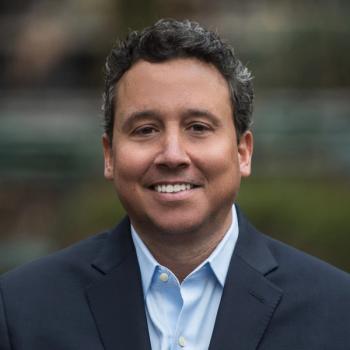
In this part three of three video series, CEO of VirtualHealth, Adam Sabloff, discusses how VirtualHealth has responded to the recent industry shifts caused by COVID-19 and what value-based care will look like in the last days of COVID-19.
In this part two of three video series, CEO of VirtualHealth, Adam Sabloff, discusses the role technology plays in providing a whole-person view as a component in value-based care and how the election will impact the future of this specific type of care.
In this part one of three video series, CEO of VirtualHealth, Adam Sabloff, discusses the birth of the healthcare services institution, what it's offering to the industry and how value-based care, in particular, is transforming especially because of COVID-19.
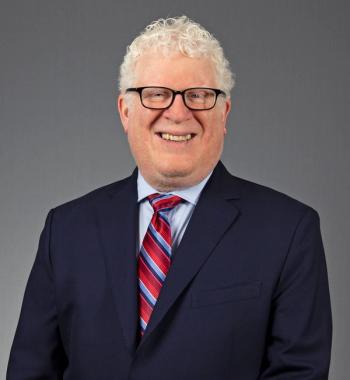
Drugs block the formation of tiny blood vessels in the retina that are prone to breaking open, resulting in bleeds that can cause serious vision impairment and blindness, explains ADA chief scientific and medical officer, Robert Gabbay, in this conclusion of a four-part video series.
Less than half of Americans with diabetes get annual eye exams, says Robert Gabbay, M.D.,Ph.D., FACP, in this third of a four-part video series. Gabbay became chief scientific and medical officer for the American Diabetes Association this summer.
In this second of a four-part video series, ADA Chief Science and Medical Officer Robert Gabbay, MD, PhD, FACP, says data showing kidney benefits of SGLT2 inhibitors may indicate protection against retinopathy but research is needed.
The American Diabetes Association and other groups are mounting a public health campaign to encourage people with diabetes to get annual eye exams. ADA Chief Scientific and Medical Officer Robert Gabbay, MD, PhD, FACP, explains "leaky blood vessels" and diabetic retinopathy in this first of a four-part video series.



Brent James discusses the long-term consequences of COVID-19.
Brent James, M.D., M.Stat., the quality and patient safety expert, finds fault with singular focus on COVID-19. Watch James' interview in this part two of three video series.
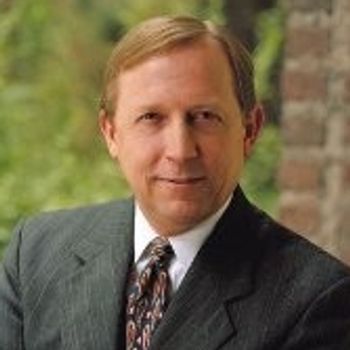
Brent James, the quality and patient safety expert, sees excess mortality from lack of care for life-threatening conditions other than COVID-19. Watch James' interview in this part one of three video series.

Georgetown’s Sabrina Corlette says the 2021 rates were calculated before the recent announcements about COVID-19 premium relief in this part two of two video series.
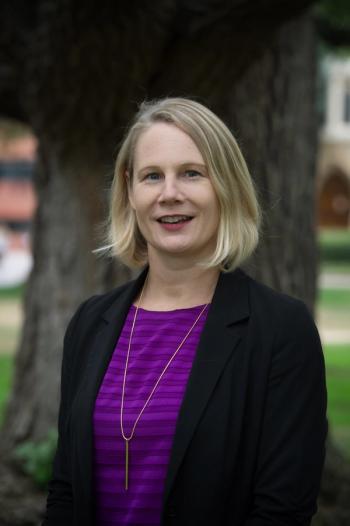
Georgetown’s Sabrina Corlette explains some of the motivations behind the spate of premium credits and discounts from health insurers in this part one of two series.

Senior Editor Peter Wehrwein speaks with Lou Ellen Horwitz, CEO of the Urgent Care Association, in this part two of two video series about centers that have not been paid yet for tests.

Senior Editor Peter Wehrwein speaks with Lou Ellen Horwitz, CEO of th eUrgent Care Association, about how urgent care centers struggled to personal protective equipment and access to testing.



Advertisement
Advertisement
Trending on Managed Healthcare Executive
1
Is there a dangerous 'weekend effect' to hospitals admissions? The verdict is split | CHEST 2026
2
The hidden coordination burden behind cell and gene therapy access | HSES 2026
3
The GLP-1 access gap in type 2 diabetes isn’t coverage — it’s physician awareness | HSES 2026
4
Experts say cost barriers and stigma keep eligible adults from lung cancer screening
5