






The new PDUFA date for is Sept. 8, 2022, for daxibotulinumtoxinA, Revance’s therapy to treat frown lines.
The new PDUFA date for is Sept. 8, 2022, for daxibotulinumtoxinA, Revance’s therapy to treat frown lines.

The FDA has approved miglustat for Gaucher disease. Breckenridge launches pencillamine for Wilson’s disease and lacosamide for seizure disorder.

An estimated additional 81 million prescriptions were abandoned at the pharmacy because of high out-of-pocket costs for patients.

Carole Florman, policy fellow at CancerCare, talks about how utilization management can have unintended consequences for patients.

Teva Pharmaceutical and MedinCell, the drug’s developers, didn’t provide a reason for the complete response letter.
The FDA has granted orphan drug designation to a potential first-in-class therapy for scleroderma and a PD-1 inhibitor for small cell lung cancer.
The FDA has assigned a Prescription Drug User Fee Act (PDUFA) action date of February 1, 2023, for daprodustat.
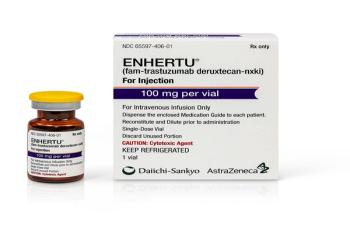
The PDUFA date for Enhertu in the lung cancer indication is in the third quarter of 2022.

Dr. Caroline Carney of Magellan Healthcare discusses the psychedelics in the pipeline for treating mental health conditions.

A Parkinson’s therapy, a treatment for seizures, a drug used in the treatment of heart failure, and a therapy for a rare disease have been removed from Prime’s Medicare formularies.
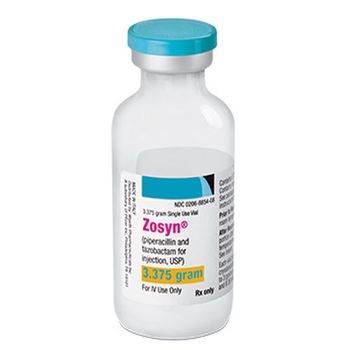
Zosyn’s label was updated to warn about the risk of a severe immune response called hemophagocytic lymphohistiocytosis.

Generic launches include equivalents of Combigan, Abraxane, Cytotec, Solu-Medrol, and Tobradex.
The InspectIR Systems Breathalyzer test can provide results in three minutes.

Capital Rx uses the NADAC model, which was developed by CMS for Medicare and Medicaid drug pricing.

Vonjo is the first therapy that specifically addresses the needs of patients with cytopenic myelofibrosis, a bone marrow cancer.
Amneal's Alymsys is approved to treat several cancers.
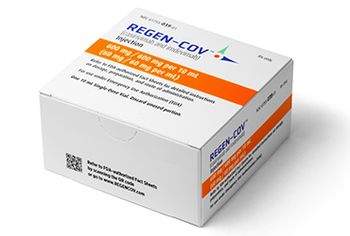
The FDA needs to review additional data from a trial that assessed REGEN-COV for the prevention of COVID-19. The new PDUFA date is July 13, 2022.
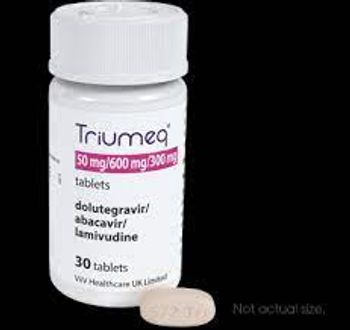
The label of Triumeq now includes additional information about use in patients who have both HIV and hepatitis B.

Some vials have been found to be missing a label.
Increased use of biosimilars could reduce Medicare Part D spending by 18% and beneficiaries’ out-of-pocket costs by 12%.
The generic cysteine could be available after a ruling in a patent dispute, which is expected in the third quarter of 2022.

If approved, pegzilarginase would be the first treatment for ARG1 deficiency, a rare progressive disease.

A literature review found an association between increased cost-sharing and lower patient adherence, which in turn could be associated with increased hospitalizations.

The FDA had previously issued a CRL due to manufacturing issues for the therapy, which is seeking an indication for preventing infections after chemotherapy for breast cancer. The agency has set a new PDUFA date of September 9, 2022.
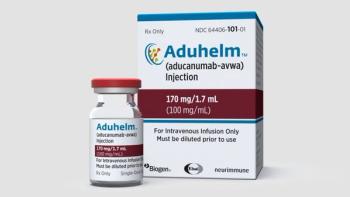
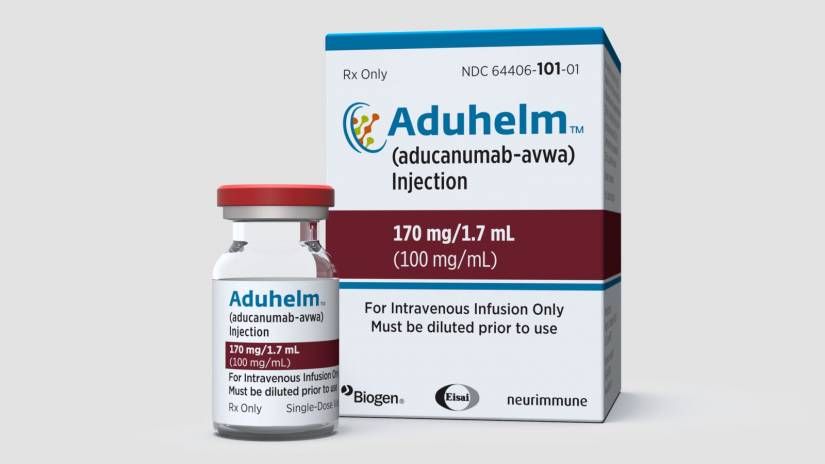
CMS’s final decision is that monoclonal antibodies to treat Alzheimer’s disease may only be covered in a randomized controlled trial conducted under an investigational new drug application.
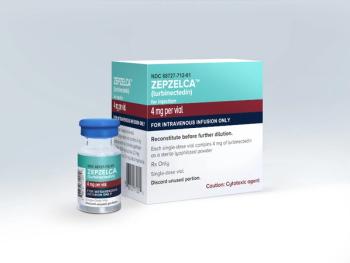
Two new subsections have been added to the warning and precautious section of Zepzelca’s label to address serious adverse events that were identified during post-market monitoring.