









Women face more gaps in healthcare than men, from missed screenings, undertreatment and biased coverage. PBMs are launching programs to address some of the gaps.
Women face more gaps in healthcare than men, from missed screenings, undertreatment and biased coverage. PBMs are launching programs to address some of the gaps.

Navitus launched three modular options that let plan sponsors manage diabetes, weight, and lifestyle therapy access, cost, and outcomes with guaranteed ROI.

StarkRx has launched as a modular, cost-plus pharmacy benefit management company for self-funded employers using Judi Health’s PBM, Judi Rx, to administer claims.

Part D enrollment has shifted: standalone plan offerings are down 22%, while special needs plans grew 21%, reshaping competition among fewer, larger sponsors nationally, finds an analysis by IPD Analytics.

A new study from UCLA has found that insurers saw $3,820 lower monthly costs from the use of biosimilars. Cancer patients saved $39.50 in monthly out-of-pocket costs.
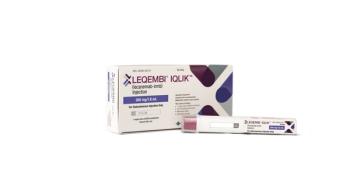
The subcutaneous version of Leqembi has a wholesale acquisition cost of $770 weekly.

Genglycos is a one-time infusion to replace the G6PC gene in patients with glycogen storage disease type Ia, a rare genetic disorder. It will have a wholesale acquisition cost of $2.7 million per patient.

Pasatru is approved to treat adults with fibrodysplasia ossificans progressiva (FOP). It will have an annual list pricing range at launch of $693,000 to $2.1 million, depending on dose and patient weight.

Additionally, a majority of those surveyed by the law firm DLA Piper were worried about future access to their medications.

Healthcare journalist Ken Terry’s new book proposes a subscription-based primary care system as a free-market alternative to Medicare for All.

Tufts researcher James Chambers, Ph.D., says IRA’s Medicare price negotiation program should target drugs that are unlikely to face biosimilar competition.

In an interview, James D. Chambers, Ph.D., from Tufts Medical Center, discusses how biosimilars have improved access to biologics, but more work needs to be done for patients to see cost reductions.

Yesafili joins Amgen's Pavblu as a competing Eylea biosimilar.

Specialty drug spend is being driven by utilization, while the non-specialty trend is being pushed up as a result of the use of GLP-1s for diabetes and for weight loss.

A survey by Spherix Global Insights also finds that health plans and pharmacy benefit managers are using Medicare’s Maximum Fair Prices as benchmarks when negotiating discounts for drugs that were not selected for price negotiations.
Judi Health has also launched two new services: Judi Care for medical benefit administration and Judi Cloud for those who want to license the Judi platform.

Employers cite broker recommendations, cost-control effectiveness, and long-term costs as top factors shaping GLP-1 coverage decisions, according to a new survey from the International Foundation of Employee Benefit Plans.
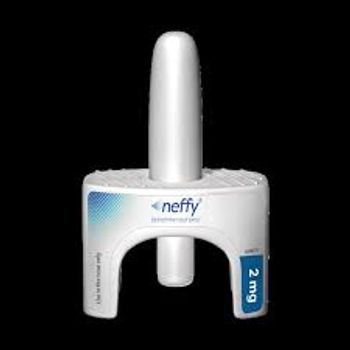
United Healthcare, Express Scripts, Cigna, Optum Rx and TRICARE offer Neffy without restriction. Neffy is an epinephrine nasal spray available for anaphylaxis.

If approved, cemdisiran could be the first RNAi therapeutic to treat generalized myasthenia gravis that would be dosed every 12 weeks.

David Blair, CEO of LucyRx, and Jason Borschow, CEO of Abarca, spoke to Managed Healthcare Executive about the company’s merger and how the combined company is positioned for the PBM market of the future.

The merger is expected to close in the third quarter. Both PBMs will operate as wholly owned subsidiaries of Healthcare Revolution Partners.

The FDA has set a target action date of July 29, 2026, for Lytenava to treat patients with wet age-related macular degeneration. Outlook Therapeutics had successfully appealed a complete response letter issued in December 2025.

Demand for behavioral healthcare has surged, increasing costs for health plans and employers as millions of Americans deal with mental illness, substance use disorders and access challenges.

Nearly half of payers not covering GLP-1s for obesity say no price would change their minds on coverage, citing high costs, poor adherence, and weight regain concerns, finds a new survey by PSG.

A decision on Alvotech’s BLA for AVT16 could come as soon as the first quarter of 2027, but Entyvio’s patent doesn’t expire until 2032.
Romidepsin is approved to treat adults with cutaneous T-cell lymphoma. Ameal’s generic has received designation for 180 days of exclusivity.