






Launched last year, Prime’s MedDrive is an integrated drug management solution that leverages biosimilars to help reduce drug spend.
Launched last year, Prime’s MedDrive is an integrated drug management solution that leverages biosimilars to help reduce drug spend.

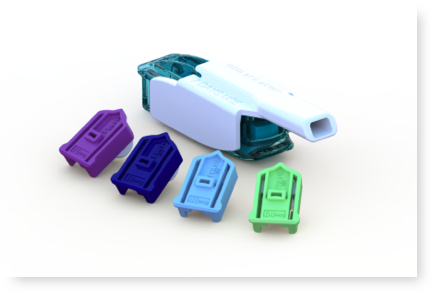
The FDA has set a Prescription Drug User Fee Act (PDUFA) goal date for the first quarter of 2023 for zavegepant, a nasal spray for the acute treatment of patients with migraine.

The FDA has set a Prescription Drug User Fee Act (PDUFA) action date of Nov. 28, 2022.
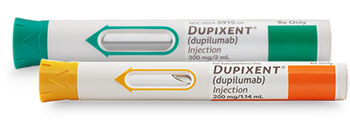
Dupixent is the first medicine specifically to treat eosinophilic esophagitis, an inflammatory condition that causes the esophagus to narrow and makes it difficult to eat.

ABBV-951 is a combination of foscarbidopa and foslevodopa, prodrugs of carbidopa and levodopa, that is designed to provide 24-hour, continuous subcutaneous delivery.

If insulin copays were capped at $35, Part D enrollees would save 29% on average, according to new analysis from Kaiser Family Foundation.
Generics are now available for the two drugs: Vimpat and Combigan.
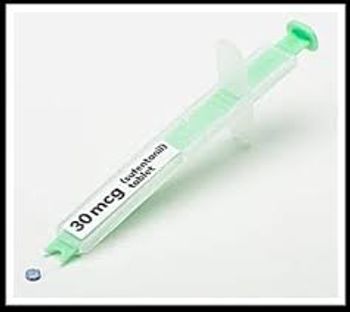
The FDA has changed how often AcelRx Pharmaceuticals is required to audit healthcare settings that administer Dsuvia, which is a synthetic opioid.

Bimekizumab, now called Bimzelx, is a monoclonal antibody being reviewed as treatment for adults with moderate-to-severe plaque psoriasis.

Aetna has made available four specialty drugs that were approved early in 2022 through prior authorization. These include a biosimilar, a CAR-T immunotherapy, and therapies for macular degeneration and a rare auto-immune disease.

While regulatory flexibility is important for drugs for rare diseases, investigators are concerned the trend toward surrogate endpoints decreases confidence that new drugs can improve patient outcomes.
The booster is given at least five months after completion of a primary series.

The FDA emergency use authorization allows the nonprescription test to use at-home sample collection with testing performed in a laboratory.
FDA regulators said the data to support the EUA, which was submitted by a physician, is not sufficient to support the use of the antidepressant fluvoxamine for the treatment of patients with COVID-19.

The role of health economic and real-world evidence has become, and will continue to be, an important aspect of healthcare decision-making.
Mounjaro is a first-in-class medicine that activates both the GLP-1 and GIP receptors, which leads to improved blood sugar control.
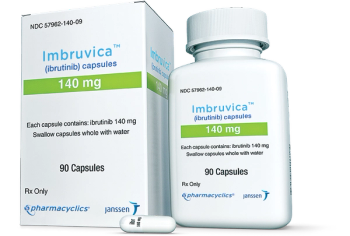
The label for Imbruvica now includes information about the possibility of cardiac failure, which has occurred in 1% of patients. Imbruvica is used to treat B-cell blood cancers.
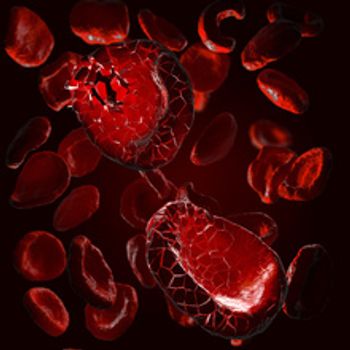
Apokyn and Kynmobi contain apomorphine hydrochloride, which can cause hemolytic anemia that requires hospitalization. The products both treat the loss of muscle movement control caused by Parkinson’s disease.
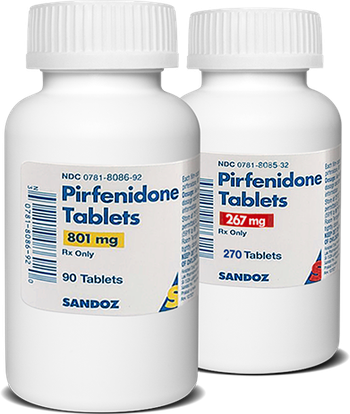
Pirfenidone is used to treat patients with idiopathic pulmonary fibrosis, a progressive rare disease that make it difficult to breathe.
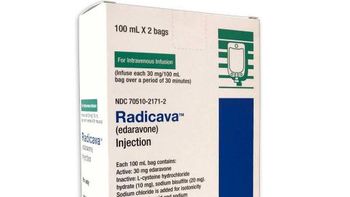
Radicava ORS has the same dosing regimen as the IV form of the ALS therapy, with a treatment cycle followed drug-free periods.
The goal of the new program is to help increase the development new treatments for patients with rare diseases.
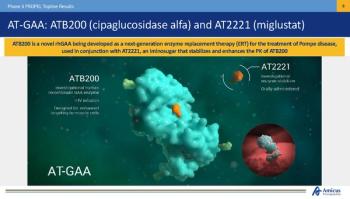
The FDA needs more time to assess information submitted by the company.
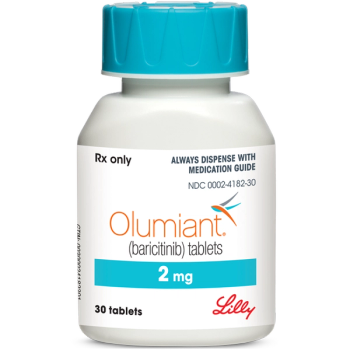
Olumiant is the first immunomodulatory treatment for COVID-19 to receive FDA approval.
Lecanemab is monoclonal antibody that targets beta amyloid to treat mild cognitive impairment in those with early Alzheimer’s disease.

Financial hardship was more likely to be reported by older patients who don’t have insurance, take multiple medications, and have a low annual household income.
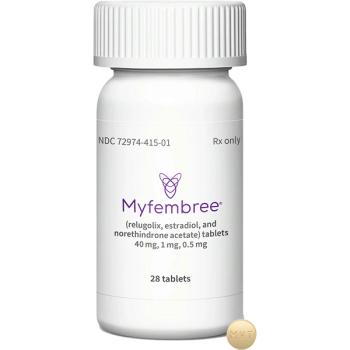
Regulators need additional time to review information on bone mineral density. The FDA has provided a new PDUFA date of Aug. 6, 2022.