


























The high cost and limited clinical evidence for cell and gene therapies have led U.S. health plans and countries outside the United States to limit access.
The high cost and limited clinical evidence for cell and gene therapies have led U.S. health plans and countries outside the United States to limit access.

For an assortment of reasons, the federal government hasn’t taken any action on regulating drug prices, so a handful of states have taken matters into their own hands.

A large Netherlands study demonstrated that rituximab biosimilars (R-biosimilars) produced a 43% reduction in annual costs. In addition, three-year overall survival did not differ between diffuse large B-cell lymphoma (DLBCL) and those receiving rituximab, according to the researchers.

The new model indicates a small initial impact on new drugs coming to the market, but an impact that grows over time.
ICER calculations using real-world data would result in major price cuts of three therapies — Takhzyro, Haegarda, and Cinryze — if they were to meet commonly used cost-effective thresholds.

International Generic and Biosimilar Medicines Association recently released the report, "A Vision for the Global Generic and Biosimilar Medicines Industry,” covering the current global Generic and Biosimilar medicine industry, and released a vision of what the market will be in 2030 and how to achieve it.

Low prices and some gaming of regulations can drive out competitors and create monopolies that allow generic makers to jack up their prices. Experience has shown that it often takes multiple generics to achieve the promised-for downward pressure on prices.

Hospital mergers, drug prices, and non-compete clauses for the rank and file are all targets of President Joe Biden’s pen today as he signed a sweeping executive order instructing federal departments and agencies to reshape what he called “booming” economy by putting workers first, encouraging higher wages and the opportunity for mobility.
In this final part of the MHE 2021 Pharmacy Survey, participants share their thoughts on which federal policies they favor as a way to curb drug prices and which policy is more likely to occur this year. MHE's annual pharmacy survey had over 225 respondents.

Harvard researchers say, well, maybe.
Ten years ago, specialty accounted for 15% to 20% of the money spent on drugs, according to Prem Shah, executive vice president of specialty pharmacy and product innovation at CVS Health.

Treating insomnia with commonly prescribed, older generation medications increases health care resource utilization and costs in patients with comorbid conditions.

A recent survey by Scripta Insights shows 96% of consumer are willing to make a prescription change as far as switching their medications, forms and where they fill in order to save money.


Real-world evidence from 67 patients recently found benefits for those with diabetic macular edema who switched to Eylea from Lucentis.

A recent study found 64% of patients with psoriatic arthritis who had tried at least one biologic stayed with Cosentyx for the entire study period.

Adaptive Biotechnologies’ clonoSEQ gets third approval; FDA also acts on first at-home treatment for spinal muscular atrophy.

In this week's episode of Tuning Into The C-Suite podcast, Senior Editor Peter Wehrwein has a conversation with John "Jack" Linehan, a lawyer for Epstein Becker Green, about coupons and accumulators. Jack is an expert on drug distribution and reimbursement, and few people know as much about coupons and accumulators as he does. Peter and Jack go over some of the basics, who is advantaged and disadvantaged, and then dive into some the details on CMS regulations and how recent proposed changes to Medicaid best price rules would, if finalized, affect coupons and accumulators.

Demand for medications needed for patients who were intubated or put on a ventilator led to some shortages. The CARES Act has some provisions that may help deal with long-standing causes of the drug shortages that plague U.S. healthcare.

Express Scripts’ annual Drug Trend Report highlights top contributors to prescription drug spending in 2019.
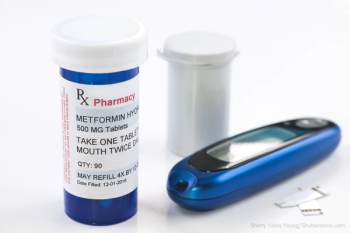
A survey of diabetes educators reveals challenges faced by patients with diabetes who can’t afford their drugs.

Looking ahead, here are the things most likely to impact managed care.

Authorized generics have been gaining popularity with pharmaceutical manufacturers, but just how do they impact pharmacies?

New report outlines innovative state strategies for managing high-cost Medicaid prescription drugs.