Dan Nardi shares how Reimagine Care uses AI triage and connected devices to scale outpatient cancer support, enabling faster, personalized symptom monitoring.
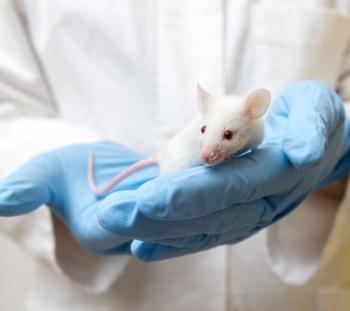
The new approach prevented diabetes onset in a mouse model and also reversed longstanding diabetes.
A new therapeutic approach involving the creation of a “hybrid” immune system may be able to prevent or even cure type 1 diabetes (T1D), according to a new report.
The study, which was
The new strategy involves a combined blood stem cell and islet cell transplant that leverages a chemotherapy-free, nonmyeloablative (NMA) conditioning regimen to prevent graft-versus-host disease.
Corresponding author
Back in 2022, Kim and colleagues published a study in which they triggered diabetes in mice using toxins that targeted insulin-producing cells in the pancreas. Next, they used immune-targeting antibodies and low-dose radiation to create favorable conditions for blood stem cell and islet cell transplants from an unrelated donor. The transplants resulted in a restoration of blood sugar control.
In the new report, the investigators used a model of T1D to try and solve a thornier problem. They needed to stop the immune system from rejecting the donated tissue but also to do so in a context where the immune system was ready to attack islet cells regardless of the source.
“Just like in human Type 1 diabetes, the diabetes that occurs in these mice results from an immune system that spontaneously attacks the insulin-producing beta cells in pancreatic islets,” said Kim, in a new release. “We need not only replace the islets that have been lost but also reset the recipient’s immune system to prevent ongoing islet cell destruction. Creating a hybrid immune system accomplishes both goals.”
In the new study, the investigators used a conditioning regimen involving an anti-c-Kit monoclonal antibody, T-cell depleting antibodies, low-dose total-body irradiation, and Janus kinase (JAK) 1/2 inhibition.
The conditioning regimen and blood stem cell transplantation were able to prevent diabetes onset in 19 of 19 mice who received the treatment. The investigators also used the regimen along with combined stem cell and islet cell transplants in nine mice with longstanding diabetes. All nine of the mice appeared to be cured following the procedure. None of the animals developed graft-versus-host disease.
Kim said he is optimistic that these findings could be translated into therapeutic advances for human patients because many of the regimen’s components are already widely used.
“The key steps in our study—which result in animals with a hybrid immune system containing cells from both the donor and the recipient—are already being used in the clinic for other conditions,” he said. “We believe this approach will be transformative for people with Type 1 diabetes or other autoimmune diseases, as well as for those who need organ transplants.”
Still, Kim and colleagues said significant challenges remain. Notably, they said, pancreatic islet cells can currently be obtained only from deceased donors, and the blood stem cells need to be obtained from the same donor as the islet cells. They said it is also unclear if a sufficient number of islet cells could be obtained from a single donor. If not, they said, the transplanted cells may not be enough to reverse the disease.
Still, Kim said the study shows that the immune system can be “re-educated” to avoid targeting islet cells. The findings from the study could not only help fight T1D but also other autoimmune diseases, he said.