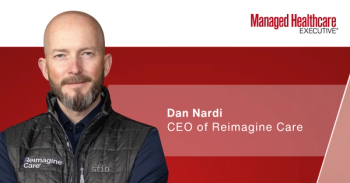
Reimagine Care and Dan Nardi scale CAR-T programs with remote cancer care, AI triage and nurses, as the Cureety partnership tackles staffing and access.
Real-world China study uses Markov modeling to show surgery may beat radiotherapy on cost per QALY for ESCC, despite higher upfront costs.
Surgery was found to be slightly more cost-effective than radiotherapy for treating esophageal squamous cell carcinoma (ESCC) in China, according to a
Esophageal cancer remains a major public health problem in China, where the disease occurs more often than in many Western countries. In China, most cases are ESCC, which can be challenging to treat because each patient’s condition is different. Doctors must consider surgery, radiotherapy, chemotherapy and newer options such as immunotherapy, while also weighing side effects, recovery and long-term outcomes.
An
Although many studies have analyzed the cost-effectiveness of drug therapies for esophageal cancer, far fewer have directly compared surgery and radiotherapy from a financial perspective. This is important because both treatments are widely used and can lead to very different costs and recovery experiences.
In China, medical expenses are mainly paid through government insurance, patient out-of-pocket payments and some commercial insurance. To provide a clearer analysis, researchers built a Markov model using real-world data to compare the costs and health benefits of surgery and radiotherapy for ESCC.
Researchers in the Radiotherapy Department of the Fourth Hospital of Hebei Medical University in Shijiazhuang, China, collected medical records from 196 patients with ESCC. Patients were divided into two groups based on treatment type: surgery or radiotherapy. Both groups received preoperative and postoperative chemoimmunotherapy as part of their care.
To analyze outcomes and costs, the Markov model was constructed using TreeAge Pro Healthcare software to imitate disease progression after each treatment. Cost data were drawn from actual treatment expenditures reported by patients. Survival rates also were calculated using formulas fitted to patient data in R, while utility values were obtained from published studies.
The analysis included base-case evaluation, one-way deterministic sensitivity analysis and probabilistic sensitivity analysis. Results were compared with willingness-to-pay thresholds to determine the relative cost-effectiveness of surgery versus radiotherapy.
Out of the 196 patients, 114 received surgery and 82 received radiotherapy, with the majority being male. Patients in the surgery group had longer survival, with a median overall survival of 41.3 months compared with 30.4 months for the radiotherapy group. Progression-free survival was also higher in the surgery group at 28.0 months versus 20.6 months.
Financially, surgery resulted in an additional cost of $411,574.32 USD but produced a gain of 11.85 quality-adjusted life years, or QALYs. This resulted in a cost-effectiveness ratio of $34,744.52 USD per QALY. Sensitivity analyses found that the costs of managing adverse events and immunotherapy were the main factors influencing cost-effectiveness.
Probabilistic review showed that at WTP thresholds ranging from $12,741.11 to $38,223.34 USD per QALY, the probability of surgery being cost-effective increased from 10.1% to 62.5%, reaching a total of $33,080.09 USD per QALY.
Overall, the study provides a real-world evaluation of cost-effectiveness for surgery compared to radiotherapy in ESCC in China. Its strengths include the use of a Markov model based on actual patient data and the inclusion of both preoperative and postoperative therapies.
Limitations include its retrospective design, reliance on past studies for utility values and potential gaps in reflecting the full complexity of real-world treatments. The authors suggest that future research should include larger multicenter data sets and consider diverse patient conditions to improve the accuracy of cost-effectiveness estimates.