An overview of the pathophysiology and treatment of secondary peritonitis
Intraabdominal infection was first thoroughly described by Hippocrates. Centuries later, despite advances in surgical and supportive therapies, this disease state continues to be associated with significant morbidity and mortality. This article reviews the literature on intraabdominal infections. It describes the pathophysiology, classification, and etiology of intraabdominal infections, focusing primarily on secondary peritonitis. The bacteriology of the gastrointestinal tract in both the normal and infected host is reviewed. Treatment options, including newly approved antimicrobial agents and agents under clinical investigation, are reviewed.
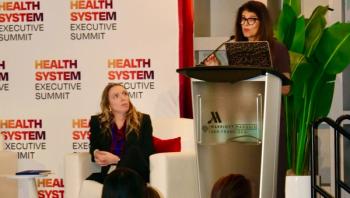
During the Health System Executive Summit, Candy Tsourounis, PharmD, and Elise Wozniak, PharmD got candid about the barriers and financial risk surrounding this innovative therapy.
Foundational Pharmacy Strategies’ Christine Johnston on how rebate structures, pending legislation, and a stalled pipeline are reshaping — and threatening — the biosimilar market heading into 2027.
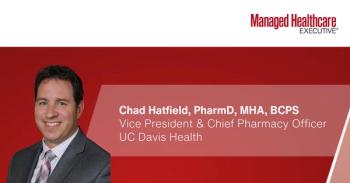
Chad Hatfield, Pharm.D., of UC Davis Health, says 340B savings fund free clinics and mental health care that could shrink as the program’s future shifts.
Fewer than 1 in 5 eligible adults get lung cancer screening. Experts told MHE over email that health plans can help by easing cost, coverage and approval barriers.
Healthcare spending for employer-insured Americans rose by nearly 19%between 2019 and 2023, driven by higher prices, surging drug costs, and spending on hospital care, says the president and CEO of the Health Care Cost Institute.
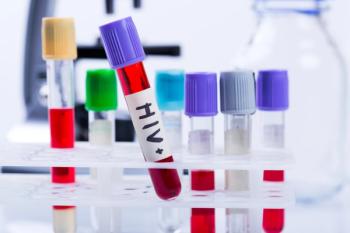
All 46 people with HIV who started long-acting lenacapavir and cabotegravir at a University of California, San Francisco, clinic reached or kept viral suppression over a median of 100 weeks.
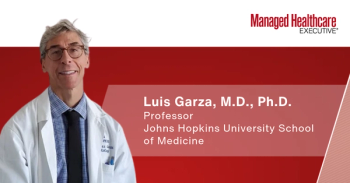
Luis Garza, M.D., Ph.D., a Johns Hopkins professor, says hidradenitis suppurativa is neither an infection nor a classic autoimmune disease but an auto-inflammatory condition.
Vision impairment affected 17.6% of 1,484 adult burn survivors in a study presented at AAO 2026, with age the strongest predictor of difficulty seeing.