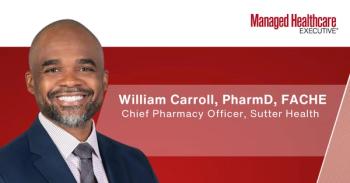
Will Carroll, Pharm.D., of Sutter Health says future pharmacy leaders need business, finance and AI skills, and health systems need real sponsorship.
People are beginning to fall out of treatment because of the PEPFAR funding cuts but the infrastructure of the programs has survived, says the executive director off AVAC, a U.S. organization that advocates for HIV prevention.
New survey data released ahead of AIDS 2026 meeting in Rio de Janeiro, Brazil, provided some clues about what the disruption in the funding from the U.S. President’s Emergency Plan for AIDS Relief (PEPFAR) has meant for PEPFAR-funded programs. According to a survey of PEPFAR-funded organizations conducted by amfAR, The Foundation for AIDS Research, 1,700 HIV/AIDS service sites have closed. Other research found that approximately 77,000 fewer children living with HIV received PEPFAR-supported treatment in 2025 than in 2024
"We're hearing about people who aren't being tested and falling out of treatment," said Mitchell Warren, executive director of AVAC, a global HIV prevention advocacy organization, in an interview with Managed Healthcare Executive (MHE) prior to the meeting. "I think we're beginning to see the enormity of bad decisions."
U.S. State Department, which runs the PEPFAR program, disputed the amfAR survey results, saying in a written statement that the methodology that the amfAR researchers used was flawed. In the same statement, the department said the decline in the number of treated children was consistent with trends and that in some countries, the numbers reflected a limitation in the data.
In his interview with MHE, Warren noted that the cuts and disruption have ended the PEPFAR programs altogether. "The good news is the infrastructure is held. Programs are still there, but they are shaky at best.”
Approximately 7,000 people are expected to attend the meeting in Rio which officially starts tomorrow and ends on July 31. Warren said the scientific findings that are scheduled to be presented at the meeting won’t match the splash made by the positive results for lenacapavir from PURPOSE 1 trial that were reported at the International AIDS Society meeting two years ago in Munich, but that some exciting data will be presented. He pointed to two developments likely to dominate discussion at the conference: Merck's investigational monthly oral pre-exposure prophylaxis pill, MK-8527, and a resurgence of interest in long-acting HIV treatment, specifically the positive results for the weekly islatravir-lenacapavir pill for HIV treatment.
"How do we really prepare for that when the infrastructure is so wobbly?" Warren said, referring to the challenge of rolling out a new prevention option like MK-8527 amid the same funding gaps already straining existing programs.