



Opinion|Videos|July 9, 2024
How the GAP Program Helps Determine Patient Prognosis, and Risk Factors for Developing IPF/PPF
Paul Noble, MD, analyzes variables contributing to IPF or PPF disease prognosis.
Advertisement
Episodes in this series

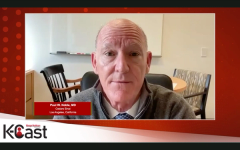
Video content above is prompted by the following:
- How can a GAP (gender/age physiology) help determine patient prognosis with IPF or PPF?
- What are the risk factors for developing IPF or PPF and can patients be screened for the disease?
Advertisement
Related to this article

Blood RNA risk score from 31 small RNAs flags Lung Cancer in smokers up to 10 years early, potentially guiding earlier LDCT screening.

The CEO and founder of a digital behavior company has advice for health plans considering asynchronous behavioral health services like those that his company provides.

In this interview, Melody Chang, RPh, BCOP, MBA, vice president of pharmacy operation at the American Oncology Network, discusses the network's pharmacy strategy and priorities.

The purchase comes as the "big 3" drug wholesalers are coming under scrutiny for their market dominance and the possible perils of vertical integration.

High prices and cutbacks in ACA and Medicaid coverage leave many patients unable to medical bills.
In this discussion, Heather Burrell-Ward, M.D., provides an overview of her recent study that found TMS aimed at the default mode network improved processing speed in schizophrenia.

Rand researchers identify standardizing supplemental benefits, limiting the number of plans an insurer can market and reforming broker commissions as policy proposals that would benefit beneficiaries while not harming the government or the plans.

Reimagine Care and Dan Nardi scale CAR-T programs with remote cancer care, AI triage and nurses, as the Cureety partnership tackles staffing and access.
Advertisement
Advertisement
Trending on Managed Healthcare Executive
1
McKesson, private equity firm buy home infusion company, Option Care Health
2
Medical debt burdens more than 1 in 4 adults in the U.S., survey finds
3
Medicare Advantage needs fixing. Here are 3 feasible repairs
4
Christine Johnston on why biosimilars are losing formulary ground
5