Higher-dose rofecoxib linked to 3x greater risk of acute cardiac events compared to other NSAIDs
A study presented on August 25 at the 20th International Conference on Pharmacoepidemiology & Therapeutic Risk Management in Bordeaux, France, revealed that higher-dose rofecoxib (>25 mg/d) was associated with a greater risk of acute myocardial infarction (AMI) and sudden cardiac death (SCD) compared to other NSAIDs. The risk of AMI and SCD was also increased with lower-dose rofecoxib (25 mg/d) when compared with celecoxib. The maximum recommended daily doses of rofecoxib in the management of pain associated with osteoarthritis, rheumatoid arthritis, primary dysmenorrhea, and migraine attacks with or without aura are 25, 25, 50, and 50 mg/d, respectively.
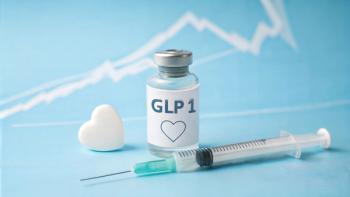
In more than 256,000 adults with prediabetes and obesity, GLP-1s were linked to better blood sugar and heart outcomes than metformin, according to a study presented at the American Heart Association (AHA) Scientific Sessions 2026.
Takeda’s Orzeyful, the first orexin agonist for narcolepsy type 1, is now available in the U.S. at a whole acquisition list price of $16,500 per 60-tablet bottle.
Children of mothers with type 1 diabetes were about half as likely as children of fathers with the disease to develop it. A Diabetes Care study found the protection was strongest before age 6 and wasn’t explained by differences in inherited genetic risk.
David Feldshon, M.D., of Yale New Haven Medical Center, explains how he uses motivational interviewing with patients at high risk for progressive liver disease.
Colin Banas, M.D., of DrFirst says diabetes prevention pays off because complications like dialysis are costly, and urges plans and providers to share data.
Colin Banas, M.D., of DrFirst says readmission penalties fall too hard on hospitals and calls for shared risk and real-time coordination with health plans.
Colin Banas, M.D., of DrFirst says pharmacist follow-up within 24 hours, glucose monitors and text nudges help keep patients with diabetes out of the hospital.