New guidelines for acute low back pain favors self-care, NSAIDs, physical therapy and acupuncture over routine imaging and first-line opioids.
Some dermatologists are calling for the switch because resistance to antifungal medications is growing.
A growing number of fungal infections are not responding to standard antifungal medications. With that problem in mind and a belief antifungal treatment of seborrheic dermatitis is a contributing factor, some dermatologists are calling for a major shift in how seborrheic dermatitis is treated, moving away from antifungals, such as topical ketoconazole, as first-line treatment to using anti-inflammatories instead.
John S. Barbieri, M.D., MBA, a dermatologist at the Mass General Brigham health system in Massachusetts who specializes in inflammatory skin conditions, said in an email to Managed Healthcare Executive (MHE) that it is a common misconception that an anti-inflammatory approach to seborrheic dermatitis would leave an underlying antifungal infection untreated.
“Seborrheic dermatitis is not caused by fungus and is not an infection," Barbieri wrote to MHE. “The fact that the only FDA-approved therapy for seborrheic dermatitis (roflumilast) works in an anti-inflammatory manner highlights that antimicrobial therapies are not required to effectively control this condition.”
Barbieri was the lead author of a viewpoint article published last week in JAMA Dermatology that argued for reorientation of seborrheic dermatitis treatment. Barbieri and his co-authors said in the opinion piece that seborrheic dermatitis is a result of a “complex interplay” between colonization with
Both antifungal and anti-inflammatory treatments can be effective, they acknowledge, but routine use of antifungal therapy needs to be reconsidered because of antifungal resistance. Topical steroids,
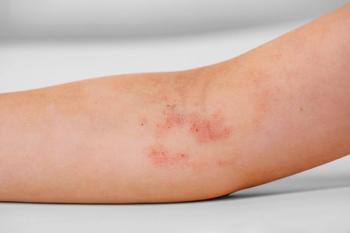
Although not as well-known as acne, seborrheic dermatitis is a common skin condition. Seborrheic dermatitis produces erythema and characteristically yellow or white, greasy, scaly plaques. Dandruff is sometimes described as a form of seborrheic dermatitis that affects the scalp and does not have recognized inflammation.
Barbieri and his colleagues cited a
In his email to MHE, Barbieri said using anti-inflammatories to treat seborrheic dermatitis instead of antifungals goes against current practice patterns. There are not many guidelines for seborrheic dermatitis, he said. An August 2025 article on the American Academy of Family Physicians website on seborrheic dermatitis diagnosis and treatment mentions as possible treatments over-the-counter and prescription-strength antifungal creams, over-the-counter and prescription-strength corticosteroid creams and ointments, and calcineurin inhibitor cream or ointment.
Barbieri wrote that in his practice, topical calcineurin inhibitors — tacrolimus/pimecrolimus — are first-line therapies for nonhair-bearing areas such as the face and ears. For hair-bearing areas such as the scalp, he said he will often use topical steroids such as clobetasol foam/solution or fluocinolone oil, depending on patient preferences. All of these options are generic and inexpensive, he noted.
For cases that are more difficult to manage or for patients who would like to avoid topical steroids on the scalp, Barbieri said he will work to get insurance coverage for roflumilast foam, which he noted is the only FDA-approved treatment for seborrheic dermatitis. For more recalcitrant cases, he said he will consider using low-dose oral isotretinoin (sold under the brand name Accutane, among others). But Barberi added that for “95%+ of those I see with seborrheic dermatitis, it is easily managed without topical antifungals.”