The CEO and founder of a digital behavior company has advice for health plans considering asynchronous behavioral health services like those that his company provides.
Direct-to-consumer drug programs hold the promise of cheaper GLP-1s and other drugs, but buying drugs outside insurance benefits may be more costly— and risky — in the long run.
More Americans are being offered a new way to buy prescription drugs: through telehealth apps, manufacturer websites and other direct-to-consumer (DTC) programs. These options can replace using traditional healthcare benefits tied to an insurance card. For many patients, these DTC options can look faster, simpler and possibly cheaper. But consumers may not always be aware of some of the downsides.
A recent Navitus Health Solutions Pulse survey found that
Patients are not wrong to look for relief. Prescription drug costs are forcing real tradeoffs. But a lower advertised price is not always the same thing as a lower total cost.
The first thing patients should know is that buying outside the traditional healthcare benefit can reduce the value of the insurance they may have already. If someone is in a high-deductible health plan, their deductible is the amount they pay before insurance starts covering a large portion of the bill. Many employer plans also have an annual out-of-pocket maximum, which caps what someone spends on covered care in a year.
When a patient buys a drug directly and pays cash, that spending often does not count toward either the deductible or the maximum out-of-pocket threshold. A deal that looks good right now becausing of an inviting low price can actually wind up costing more for the patient over the course of the year, especially if they have other medical expenses and are likely to hit that deductible or maximum out-of-pocket anyway. Once a claim moves outside the benefit, the patient could lose credit toward deductible and out-of-pocket protections and end up paying more out of pocket by the end of the year.
The second thing patients should know is that convenience can create blind spots. If a prescription is filled through a separate platform or pharmacy, someone’s regular doctor may not have a complete picture of what they are taking. That can make medication reconciliation and drug interaction checks harder, especially if care is spread across multiple providers and systems that do not communicate well with one another. Patients should not assume that just because a prescription was issued legitimately that a record of it will automatically show up elsewhere. Those gaps could create problems with unexpected drug interactions that a primary care provider or single pharmacy system can’t track as easily.
The third thing patients should know is that the initial, fetching price may not be the real price in the long run. Many of these programs use introductory offers, create refill rules and use other fine-print restrictions that can make long-term costs harder to predict. Consumers are often drawn in by an appealing price, only to find that costs rise a few months into the program. That doesn’t make these DTC programs inherently bad. It does mean that patients should read the terms carefully before signing up.
None of this means that DTC options shouldn’t exist. In some cases, they may be a practical solution, especially when a drug is excluded from coverage or a patient faces a very high pharmacy bill. The Navitus survey also found that more than 86% of respondents said they would be willing to pay more for FDA-approved GLP-1 options, which suggests that patients do value credible, regulated access when they can get it.
But before clicking “buy,” patients should ask a few basic questions: Is this drug covered by my insurance? Will this purchase count toward my deductible or annual out-of-pocket maximum? What will I pay after the introductory period ends? Will my primary care doctor be able to see this prescription? And is the product FDA-approved?
Direct-to-consumer drug buying is likely to keep growing. Patients deserve clear pricing and easier access. They also deserve to know when a possibly cheaper prescription may end up costing more in the long run.
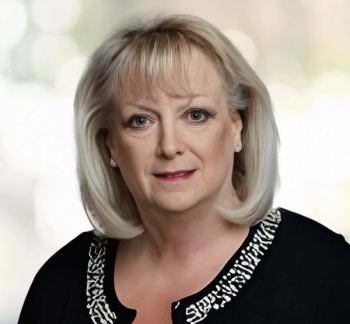
Sharon Faust, Pharm.D., is the chief pharmacy officer at