



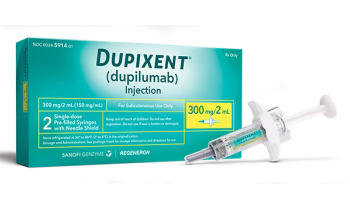

This approval marks the eighth disease indication for Dupixent as a new alternative for patients—many of whom are elderly and have limited treatment options.
This approval marks the eighth disease indication for Dupixent as a new alternative for patients—many of whom are elderly and have limited treatment options.
This is the first FDA-approved CD19- and CD20-targeted immunotherapy combination for adult patients with follicular lymphoma (FL) and the second indication for Monjuvi.
CSL Behring’s Andembry is now approved as a subcutaneous, self-injection for hereditary angioedema (HAE) patients ages 12 and older and will be available by the end of June 2025.

Aldeyra has resubmitted its new drug application for reproxalap, an investigational dry eye treatment, which contained new data from an additional FDA-requested trial.
A second patient with Duchenne muscular dystrophy has died from acute liver failure after receiving the gene therapy Elevidys.

In an interview, James D. Chambers, Ph.D., from Tufts Medical Center, talks about the factors that are impacting the biosimilar market.

The FDA has accepted a New Drug Application for zoliflodacin, a first-in-class oral antibiotic for treating uncomplicated gonorrhea, offering a potential new option amid rising antibiotic resistance.

Ibtrozi had a 90% response rate in treatment naïve adults with locally advanced or metastatic ROS1-positive non-small cell lung cancer, according to the results of a news release.

Enflonsia is the first FDA-approved respiratory syncytial virus (RSV) preventative for infants, regardless of weight, according to the news release.
A survey by PSG has found that the pressure to control drug costs is leading some payers to look into unbundling pharmacy benefits as a way for better control.

Switching to Humira biosimilars saved Navitus clients more than $315 million in upfront costs in 2024 and resulted in a 60% reduction in net costs per claim.

The pharmacy benefit manager (PBM) industry is under pressure to shift to models that avoid conflicts of interest and misaligned incentives.

The approval is based on results from the phase 3 ARANOTE trial, which showed Nubeqa, when combined with androgen deprivation therapy (ADT), reduced the risk of radiographic progression or death by 46% compared to ADT with placebo.

State efforts are aiming to bring more disclosure and transparency to PBM practices, mandating certain pharmacy reimbursement levels, requiring 100% pass-through rebates, and prohibiting spread pricing.

Pharmacy costs and outpatient facility care generate 69% of the cost increase for 2025, according to Milliman’s recent Medical Index.

Jason R. Smith, Pharm.D., appointed as chief pharmacy officer in February 2025 for the University of Rochester Medical Center, talks about building a stronger workforce, managing drug shortages and keeping up with changes in regulations because of the new administration.
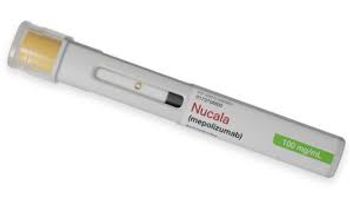
Nucula’s new indication is as an add-on therapy for patients with COPD who also have an elevated blood eosinophil count.
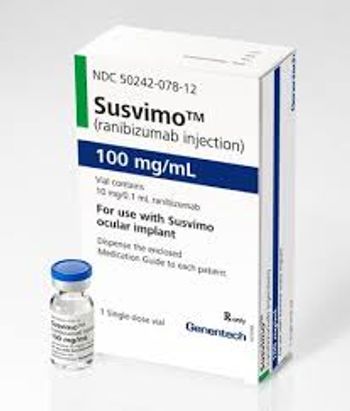
Susvimo is also approved to treat diabetic macular edema and age-related macular degeneration, and the medication, ranibizumab, is delivered through an ocular implant that is refilled every nine months.
Health plan sponsors are also expected to see a reduction in the net cost per prescription of GLP-1 medications to treat obesity.

Bayer’s Jivi is a factor VIII replacement therapy that has been engineered with a compound that allows for less frequent dosing. It is now indicated for patients 7 years of age and older.

Zynyz is now FDA-approved as the first and only approved first line treatment for advanced squamous cell carcinoma of the anal canal.

A new law in Iowa, if signed by the governor, will mandate 100% pass-through of rebates, increased financial transparency, and a minimal payment for pharmacies. Critics say it will be the most costly mandate in the state’s history.

It could improve access to community pharmacies and lower prices. Or it will limit access to critical drugs and impact payers’ ability to contract for a broad range of services. Industry leaders are unsure about the impact of Arkansas’ law banning PBMs from owning pharmacies.
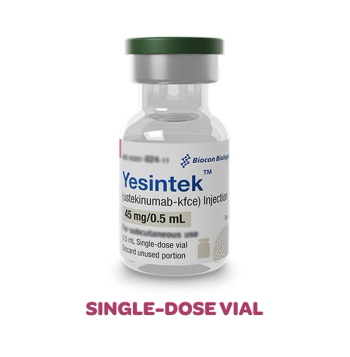
Express Scripts, Cigna, UnitedHealthcare, CVS Caremark and Optum Rx are among the payers that have added Yesintek to their formularies.
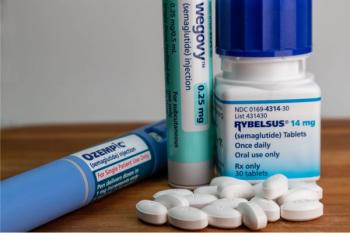
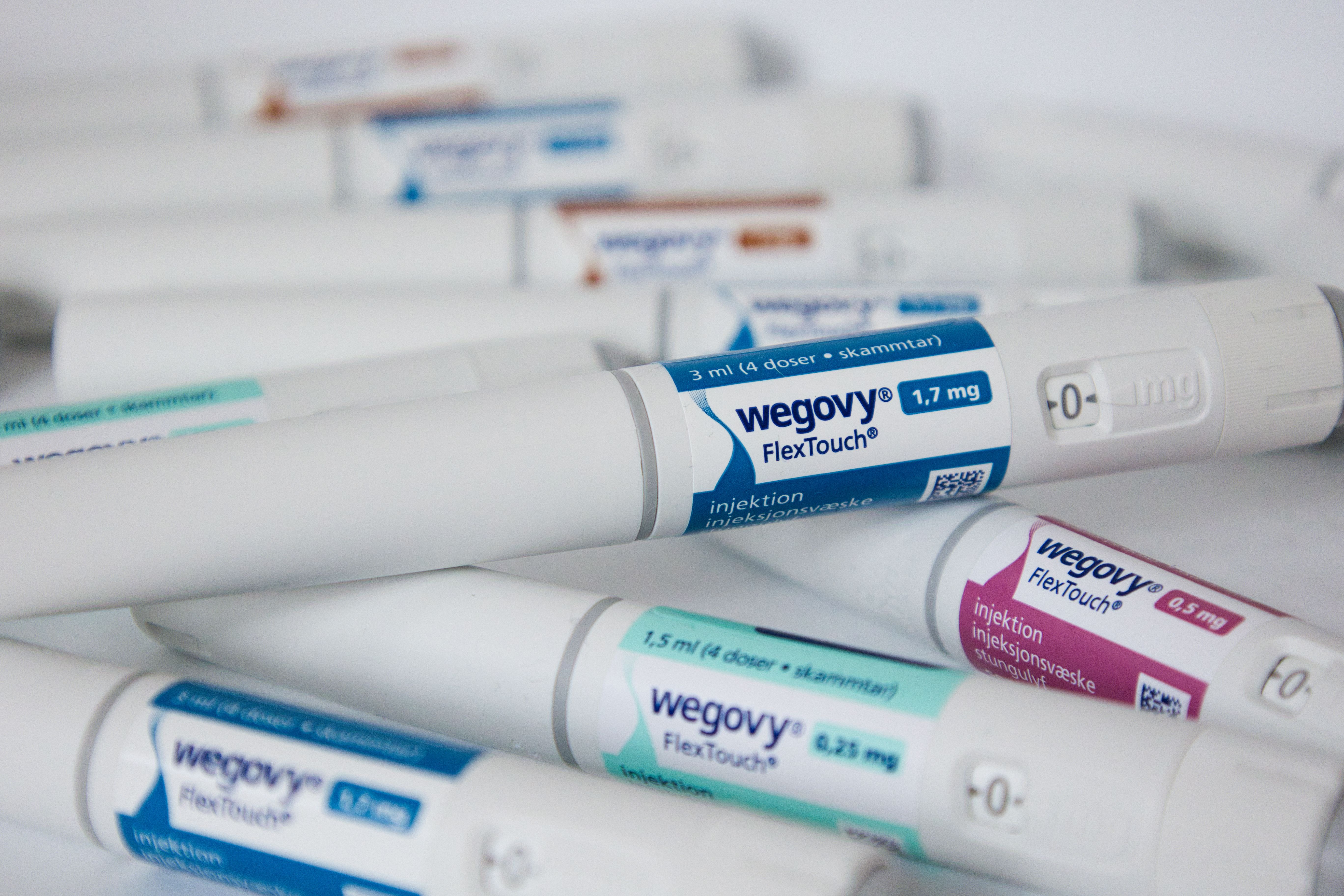
If approved, Wegovy would be the first oral GLP-1 drug to treat obesity.
Adult and pediatric generalized myasthenia gravis patients have a new, longer acting option for treatment called Imaavy.