








Cotellic, an oral inhibitor of MEK1 and MEK2, was approved to treat patients with histiocytic neoplasms based on a phase 2 trial conducted solely at Memorial Sloan Kettering Cancer Center.
Cotellic, an oral inhibitor of MEK1 and MEK2, was approved to treat patients with histiocytic neoplasms based on a phase 2 trial conducted solely at Memorial Sloan Kettering Cancer Center.

Expanding pharmacist prescriber authority for HIV PrEP medications significantly increased PrEP use.

Wendy Barnes and Mark Campbell of RxBenefits discuss the company’s survey, which finds employers are curious about solutions to manage both specialty drug spend and the potential volatility that comes with employees who may be diagnosed with cancer and other high-dollar conditions.

The changes were made because generics are now available; the change impacts specific client formularies.
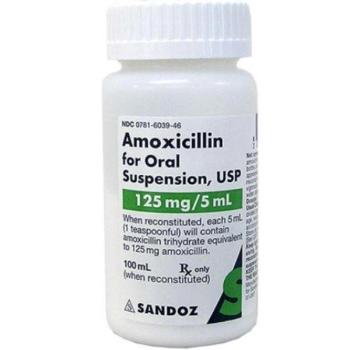
Several suppliers of the widely-used antibiotic have limited or no availability of some formulations.
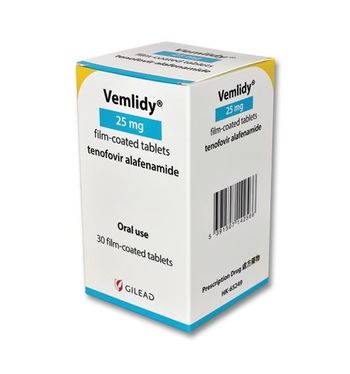
This approval expands the use of Vemlidy to children 12 years of age and older. Vemlidy is already available for adults living with this chronic liver disease.

Mikkael A. Sekeres, M.D., University of Miami Health System, discusses his latest book Drugs and the FDA and the use of accelerated approvals based on surrogate endpoints.

If approved, GSK’s vaccine could be the first available to help protect adults over the age of 60. The Prescription Drug User Fee Act date is May 3, 2023.

A study of Oregon pharmacies finds there is significant disparities in reimbursement between the pharmacies, particularly in already disadvantaged communities.

The withdrawal is related to the quality of the data collection and monitoring of the pivotal clinical trials by the clinical research organization.

The FDA cited COVID-19-related travel restrictions that have impacted the agency’s inspection of a manufacturing site in China.
Findings by researchers at Epic, the electronic health record company, show that the benefits extend to people ages 50-64.

Epcoritamab is designed to simultaneously bind to CD3 on T cells and CD20 on B-cells

Administration of a solution containing glass could lead to irritation or swelling, vasculitis/phlebitis, allergic reactions, and pulmonary embolism.
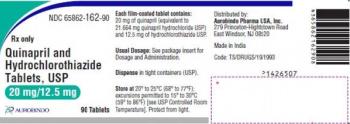
The recall was triggered by the presence of nitrosamine above the proposed limit.

Express Scripts will manage pharmacy benefits for about 20 million Centene members.

Renee Dua, M.D., chief strategy officer at Renee, discusses the digital health assistant and its subscription-based services for generic drugs.
If approved, Perrigo’s Opill could be the first-ever nonprescription birth control pill.

Tecvayli targets BCMA and CD3 to activate the body’s immune system. It was approved for heavily pretreated patients with relapsed or refractory multiple myeloma.

If approved, SER-109 would be the first oral microbiome therapeutic available. The Prescription Drug User Fee Act action date is April 26, 2023.

One of the drivers of a lowered payer satisfaction is the public perception of PBMs, said Morgan Lee, Ph.D., of PSG.

Quizartinib, which is under review to treat adult patients with newly diagnosed acute myeloid leukemia who are FLT3-ITD positive, has a Prescription Drug User Fee Act date (PDUFA) of April 24, 2023.
Regulators have approved Imjudo, a monoclonal antibody that targets the activity CTLA-4, to be used in combination with Imfinzi, a PD-L1 inhibitor.

Novaliq’s CyclASol uses the EyeSol technology that allows for improved bioavailability and better efficacy. The PDUFA target action date set by the FDA is June 8, 2023.
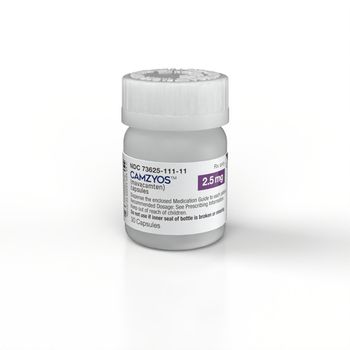
The FDA has assigned a PDUFA goal date of June 16, 2023, for an expanded indication to reduce the need for septal reduction therapy (SRT), which is a procedure to treat hypertrophic cardiomyopathy.
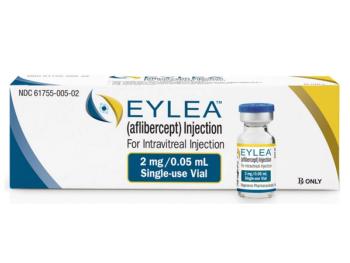
Eylea is being reviewed as a treatment for retinopathy in premature infants.