

Thomas Martens, M.D., explains what drives adoption and how CONNECT's Level A evidence could move CGM coverage.
Thomas Martens, M.D., explains what drives adoption and how CONNECT's Level A evidence could move CGM coverage.
Thomas Martens, M.D., on why outcomes with CGM in CONNECT—including five more hours per day in range—came largely from lifestyle change, not added medication.
Thomas Martens, M.D., explains why CONNECT's 1.6% A1C reduction with continuous glucose monitoring is so exciting in patients with type 2 diabetes not on insulin.

A fully remote genetic screening program and a multicenter quality improvement initiative both advanced early detection of type 1 diabetes.

Evolocumab cut major cardiac events by 29% in high-risk diabetes without prior heart attack or stroke in VESALIUS-CV subgroup data from ADA 2026.

Survodutide's SYNCHRONIZE trials show weight loss driven by visceral and liver fat, not muscle.

Two food access interventions, one of which combined grocery delivery with community health worker coaching, showed significant improvements in diabetes control, food insecurity and overall health outcomes across both youth and adult populations.
The REIMAGINE 1, 2 and 3 trials each met their primary HbA1c end point and confirmatory secondary end points for body weight reduction.

Phase 3 data show survodutide reduced liver fat by 63% and visceral fat by 34% — effects investigators say go beyond what weight loss alone explains.
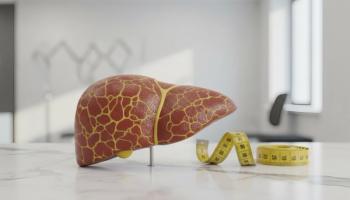
The experimental glucagon/GLP-1 dual agonist showed targeted reductions in metabolically harmful fat alongside meaningful weight loss in two distinct patient populations.
Pfizer plans 10 phase 3 trials of berobenatide for chronic weight management and obesity-related comorbidities.

The first triple hormone receptor agonist to reach phase 3 development demonstrated results that researchers say could reshape how clinicians approach obesity and type 2 diabetes treatment.
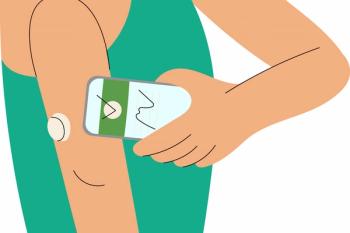
Results presented at ADA 2026 mark the first level A evidence supporting CGM use in this population.