Erectile dysfunction (ED) is now recognized as a common problem in men. Several medical problems, including diabetes mellitus, coronary artery disease, hypertension, and hyperlipidemia are known to increase the likelihood of developing ED. Diagnosis depends on an adequate history and physical examination. Several therapies are now available for the treatment of ED. With the advent of the phosphodiesterase type 5 (PDE5) inhibitors, therapy for ED has become more acceptable for many men. Oral therapy is usually the first-line treatment due to the ease of use and the effectiveness of this therapy. For men who do not respond to or have a contraindication to PDE5 therapy, intrapenile injection therapy, intraurethral therapy, and vacuum devices are effective alternatives.
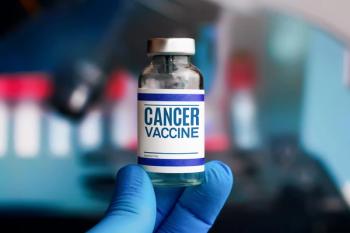
Phase 3 data fueled buzz about Moderna’s personalized melanoma “vaccine.” paired with Merck's Keytruda. The drama surrounding intismeran included an embargo violation and headlines that the treatment hadn't lived up to its hype.
Will Carroll, Pharm.D., of Sutter Health says pharmacy is often handed strategy to execute instead of shaping it, and must show value in C-suite terms.
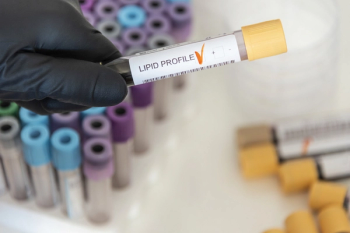
Ty Gluckman, M.D., says undertesting and undertreatment are the biggest gaps in lipid care and calls on leaders to invest in cardiovascular prevention.
Ty Gluckman, M.D., says the 2026 dyslipidemia guideline brings back risk-based LDL goals, and clinical inertia, not access, is now the biggest barrier.