Efalizumab: A new biologic therapy for the control of chronic plaque psoriasis
Efalizumab (Raptiva, Genentech/Xoma) is a humanized monoclonal antibody of CD11a that exerts its effect through the blockade of the interaction between leukocyte function-associated antigen-1 (LFA-1) and intercellular adhesion molecule-1 (ICAM-1). FDA recently granted approval for efalizumab in the treatment of chronic moderate-to-severe plaque psoriasis in adults aged 18 years and older. Efalizumab does not achieve clinical response rates equal to cyclosporine or methotrexate, but it lacks the systemic organ toxicities of these agents and is associated with a more rapid onset of action (significant improvements in Psoriasis Area and Severity Index [PASI] response after 2 doses). In addition, efalizumab will likely compete with another approved biologic, alefacept, and off-label use of 2 other biologics currently on the market, etanercept and infliximab. At this time, until further studies comparing efalizumab to other drugs indicated for the treatment of psoriasis are completed and post-marketing surveillance is conducted, the agent?s place on the formulary remains unclear.
Navitus launched three modular options that let plan sponsors manage diabetes, weight, and lifestyle therapy access, cost, and outcomes with guaranteed ROI.
StarkRx has launched as a modular, cost-plus pharmacy benefit management company for self-funded employers using Judi Health’s PBM, Judi Rx, to administer claims.
Researchers and drug developers are targeting pathways that activate mast cells as a way to treat cholinergic urticaria and other forms of inducible urticaria.
Part D enrollment has shifted: standalone plan offerings are down 22%, while special needs plans grew 21%, reshaping competition among fewer, larger sponsors nationally, finds an analysis by IPD Analytics.
AACR Cancer Progress Report 2026 highlights a 35% U.S. cancer death decline, new FDA advances, persistent disparities, and urgent calls for stronger NIH/NCI funding.
OrionRx's Don Anderson, Pharm.D., says a GLP-1 access model built around mandatory wellness coaching resulted in a six-point drop in body mass index and improved mental health.
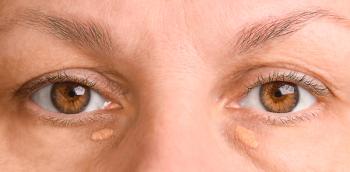
Yellow eyelid Xanthelasma signals hidden high cholesterol and cardiovascular disease risk, tripling heart attack and stroke odds; Negin Yavari, M.D., and her team urge screening.