Foundational Pharmacy Strategies’ Christine Johnston on how rebate structures, pending legislation, and a stalled pipeline are reshaping — and threatening — the biosimilar market heading into 2027.
Reimagine Care's CEO says one-off hospital approvals slow CAR-T access and urges buyers to ask vendors to prove outcomes such as avoided ED visits.
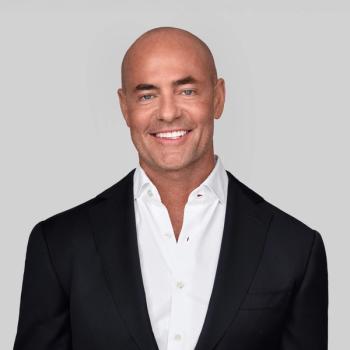
Reimagine Care recently announced its acquisition by Cureety, a Europe-based precision oncology care company, and Dan Nardi, CEO of Reimagine Care, shared how the two companies' care models compare, what buyers should ask vendors and what has to change for more patients to receive complex cancer therapies such as chimeric antigen receptor (CAR) T-cell therapy.
Nardi said monitoring works much the same in Europe and the U.S., including symptom management and triage. Reimbursement differs because many European countries rely on state-sponsored health plans and national payers.
The bigger difference is staffing. Cureety has traditionally offered its program as software that hospital nurses use to work more efficiently. Reimagine Care has its own remote nurses in the U.S. That helps practices without enough nurses, especially in rural areas, at a lower cost than hiring their own, Nardi said.
Health plans and health systems should ask where a vendor has worked in settings like theirs and what outcomes it saw, Nardi said. He pointed to avoidable emergency department (ED) visits, especially for organizations in value-based arrangements. He also named staff efficiency and patient and provider satisfaction, including Net Promoter Score among health system clients. The same questions apply to any vendor, not only Reimagine Care, he added.
Nardi said the field is still in the early stages. He noted that eight in 10 patients are still not receiving these therapies but expects that number to start shrinking within the next six to 18 months as more systems build programs.
Getting there requires aligning the economics, he said. CAR T-cell therapies cost $500,000 to $1 million per patient. Health systems often use separate committees, sometimes involving hospital CFOs and CEOs, to approve each patient, and they contract directly with drug manufacturers rather than through payers.
The key question, Nardi said, is “How do we figure out the right economics so that we can be delivering this more and faster and so that we're not having to do like one-off committees for approval every single time? That just slows this all down.”