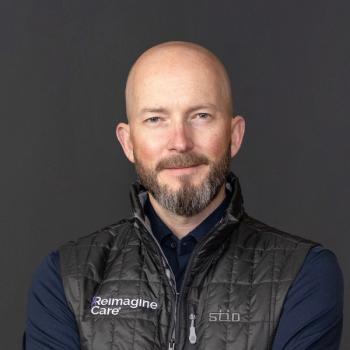
Dan Nardi shares how Reimagine Care uses AI triage and connected devices to scale outpatient cancer support, enabling faster, personalized symptom monitoring.
Tiffany Phung, Pharm.D., CSP, of UC Davis Health, discusses an alternative approach to clinical research and practice improvement ahead of HSES 2026.
Tiffany Phung, Pharm.D., CSP, has spent 28 years in pharmacy practice, moving through community pharmacies, acute care, and national commercial and health system specialty pharmacies. In her current role at UC Davis Health, she serves as director of specialty pharmacy value, trade relations and market access, a position that sits at the intersection of clinical care, operations, business development, payer strategy, pharmaceutical partnerships, data and research. Phung spoke with Managed Healthcare Executive ahead of the
"My role allows me to connect the diverse perspectives and turn them into a shared strategy for the enhancement of access and patient care," Phung said during her interview.
Phung pointed to limited distribution arrangements as one of specialty pharmacy's biggest structural challenges. More than 30 million Americans live with over 10,000 rare diseases, and more than half of the FDA's novel drug approvals in 2023 were for rare disease treatments, she said, yet many of those therapies remain restricted to a small number of specialty pharmacies nationally, sometimes a single one. A 2024 ASHP survey found that 61% of responding health system specialty pharmacies could fill fewer than half of the specialty prescriptions written within their own systems, even in cases where their teams had identified the patient, completed the benefits investigation and appeal, and coordinated the patient's ongoing care.
To make the case for keeping that care in-house, Phung said UC Davis Health has built standardized initial assessments, transition notes, dashboards and adherence and outcomes tracking directly into its electronic medical record. The health system's National Rare Disease Pharmacy certification, she said, reflects the high-touch coordination needed to support patients on complex therapies and generate the real-world evidence that demonstrates the model's value.
"The therapies, technologies, and expectations will continue to change, but the core has not changed as the patient remains at the center," Phung said.
In this video, Phung discusses an alternative approach to clinical research and practice improvement, drawing on her cross-functional role to explain how health system specialty pharmacies can turn routine care into evidence that strengthens access to limited distribution drugs.