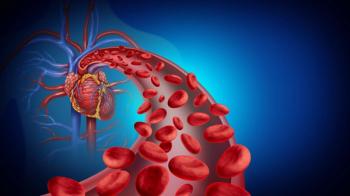
From the literature: Selective serotonin reuptake inhibitors linked to upper GI tract bleeding
Selective serotonin reuptake inhibitors (SSRIs) experienced increased usage in the 1990s due to their low toxicity and minimal adverse effects. Throughout this period, several clinical reports indicated a link between the use of SSRIs and various bleeding disorders. A recent study published in the Archives of Internal Medicine found a distinct correlation between the use of SSRIs and upper gastrointestinal (GI) tract bleeding. The population-based cohort study was conducted within the 490,000 residents of a northern Denmark county over a five-year period.
People with ADHD had a 70% higher risk of death from any cause in a 19-study meta-analysis, with excess deaths from suicide, injury and natural causes.
Bronchiectasis affected 221.6 per 100,000 people in the U.S. over five years, which is higher than earlier national estimates, according to a study published in CHEST.
Adding Sunharbo (asundexian), a first-in-class factor XI inhibitor, to single or dual antiplatelet therapy reduces ischemic stroke risk without increasing the risk of major bleeding.
In this discussion, University College London colleagues Joshua Stott, Ph.D., professor of aging and clinical psychology and research assistant Lucy Corrigan, who led the work while at the University of Liverpool, talk about their recent meta-analysis linking ADHD to a higher risk of death from all causes, including suicide, injury and natural causes.
People with advanced Parkinson’s disease who also have a sleep disorder cost about $50,000 a year to treat, $13,000 more than similar patients without one, according to an AbbVie-funded claims analysis.