Pharmacy spending (more from Desktop Resource, Feb. 2008)
One of the most important therapeutic classes according is going to be cancer and transplant. "In fact, its contribution to spending increases over the next three years is definitely underestimated here since our projections are based on pharmacy claims data and a large portion of the spending for cancer treatments is paid through the medical benefit," says Lon Castle, MD, senior director, department of medical and analytical affairs at Medco.
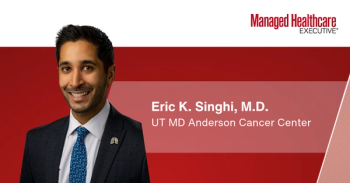
Young-onset lung cancer often strikes nonsmokers, and current screening based on smoking is not likely to find it, says Singhi, an assistant professor at UT MD Anderson Cancer Center in Houston. New risk-based screening, liquid biopsies, and breath tests aim earlier detection.
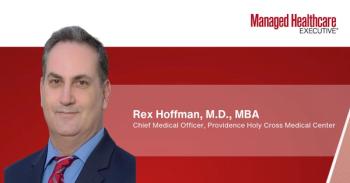
Rex Hoffman, M.D., MBA, of Providence Holy Cross walks through a CMO’s day in a hospital that often runs 85% to 100% full, from safety huddles to discharges.
On average, caregivers want to see their children with ADHD fall asleep 30 minutes faster, but the best sleep treatments average approximately 20 minutes, a new survey study found.
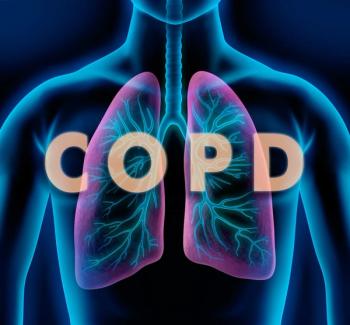
Research findings presented at CHEST meeting show COPD hospital readmission drops with discharge checklists and navigation. Other research suggests targeting readmission prevention efforts on patents discharged to post-acute facilities.
As the pharmacist pipeline tightens, leaders from UC Davis Health, UCSF Health, and Sutter Health say financial sustainability now depends as much on capacity as on cost.
GLP-1 use in adults 65 and older with MASLD was linked to a 45% lower risk of death, and a 28% lower risk of hepatic decompensation, a new Houston Methodist Research Institute study shows.